
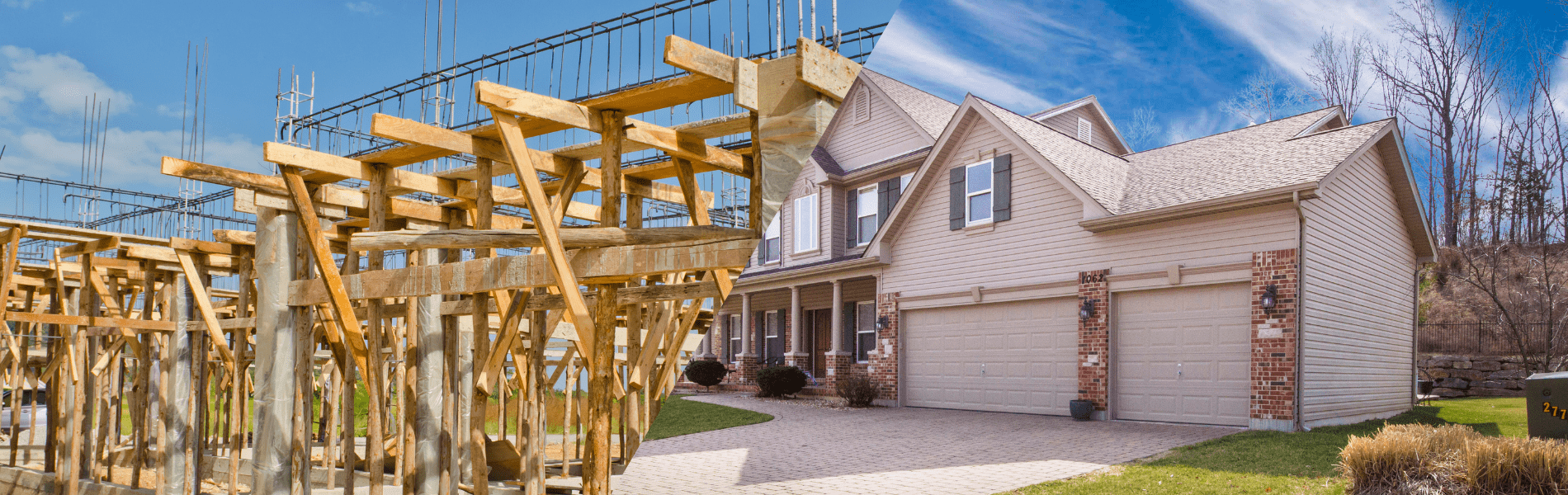
អ្នកប្រហែលជាធ្លាប់សួរខ្លួនឯង ឬដៃគូរបស់អ្នកថា តើអ្នកគួរទិញផ្ទះដែលសាងសង់រួចហើយ ឬទិញដីដើម្បីសាងសង់ និងរៀបចំដោយខ្លួនឯង? ជាការពិតណាស់ រឿងមួយដែលអ្នកកំពុងពិចារណាគឺលទ្ធភាពនៃជម្រើសទាំងពីរ។ ដើម្បីបំភ្លឺអ្នកអំពីទិដ្ឋភាពទាំងនោះ ខាងក្រោមនេះគឺជាការប្រៀបធៀបនៃការចំណាយដែលអ្នកត្រូវដឹង៖
ការសាងសង់ផ្ទះ
តម្លៃដី
In IPS, the price of residential land in the outskirts ranges from $100-300 per sqm. If the purpose of constructing such a house is for people like you to live in it then that can be called a residential land. Residential properties that you may wish to build there include single or multiple story houses that are suited for a single family, or it may accommodate extended family members or guests.
ឧទាហរណ៍កន្លែងដែលអ្នកអាចរកបានមាននៅក្នុងខេត្តសៀមរាប ជាពិសេសនៅឃុំជ្រាវ ស្លក្រាម សាលាកំរើក និងស្វាយដង្គុំ។ អ្នកក៏អាចរួមបញ្ចូលខេត្តព្រះសីហនុផងដែរ ដែលផ្តល់ជូនដីលំនៅឋានក្នុងតំបន់ដែលកំពុងរង់ចាំការអភិវឌ្ឍន៍។
ការជ្រើសរើសរស់នៅជិតទីក្រុងដែលអ្នកធ្វើការ និងកន្លែងកំសាន្ត មានន័យថាការទិញដីលំនៅឋានមួយនឹងត្រូវចំណាយអស់ពី 1,000 ទៅ 3,000 ដុល្លារក្នុងមួយម៉ែត្រការ៉េ។ ដីបែបនេះអាចមាននៅក្នុងខណ្ឌទួលគោក ខណ្ឌសែនសុខ និងពោធិ៍សែនជ័យ។ តាខ្មៅ តាកែវ និងកណ្តាលក៏ជាតំបន់ពេញនិយមដែរដោយដីលំនៅឋាននៅតំបន់នេះមានតម្លៃថោកជាង។
ការចំណាយលើការសាងសង់
នៅពេលដែលអ្នកបានសម្រេចចិត្តចាប់ផ្តើម សាងសង់ផ្ទះក្នុងក្តីស្រមៃតម្លៃនៃការសាងសង់អាចរាប់បញ្ចូលទាំងការឈូសឆាយដី ការរៀបចំប្រព័ន្ធលូ ការដាក់ខ្សែភ្លើងជាដើម គឺអាចស្ថិតនៅក្នុងចន្លោះតម្លៃពី 250,000 ទៅ 350,000 ដុល្លារ។
សេវាកម្មស្ថាបត្យករ វិស្វករ និងអ្នកសាងសង់ដែលមានជំនាញវិជ្ជាជីវៈ នឹងមានន័យថាថវិការដែលត្រូវចំណាយសម្រាប់ជំនាញរបស់ពួកគេអាចមានរហូតដល់ 50,000 ដុល្លារ តិច ឬច្រើន (អាស្រ័យលើក្រុមហ៊ុនដែលអ្នកជ្រើសរើស)។ អត្ថប្រយោជន៍មួយនៃការមានអ្នកជំនាញដូចពួកគេ គឺពួកគេអាចណែនាំអ្នកអំពីសម្ភារៈ ឬការរចនាណាដែលល្អបំផុតដោយផ្អែកលើចំណូលចិត្តរបស់អ្នក។
ការទិញផ្ទះស្រាប់
នៅពេលដែលអ្នកបានពិចារណាជម្រើសនៃការសាងសង់ផ្ទះ ហើយអ្នកយល់ថាវាថ្លៃពេកទាក់ទងនឹងតម្លៃរបស់វានោះ ជម្រើសមួយទៀតដែលអ្នកអាចពិចារណាបានគឺការទិញផ្ទះដែលសាងសង់រួចស្រេច។
ការជ្រើសរើសទីតាំងដែលអ្នកចង់ទិញគឺជាការពិចារណាដែលអ្នក និងដៃគូរបស់អ្នកត្រូវតែគិតជាមុន។
ជម្រើសដ៏ពេញនិយមមួយសម្រាប់លំនៅឋានក្នុងចំណោមប្រជាជនជាច្រើនក្នុងប្រទេសកម្ពុជា គឺផ្ទះសហគមន៍ហៅថាបុរីដែលក្នុងនោះមាន វីឡាទោល វីឡាភ្លោះ វីឡាកូនកាត់ ផ្ទះជាប់គ្នា ផ្ទះអាជីវកម្ម(សបហោស៍) និងផ្ទះល្វែង។
ភាគច្រើនអាចរកបាននៅក្នុងទីក្រុងភ្នំពេញ ហើយអ្នកអភិវឌ្ឍន៍ជាច្រើនកំពុងសម្លឹងមើលការពង្រីកសំណង់របស់ពួកគេនៅក្នុងខេត្តសៀមរាប និងខេត្តព្រះសីហនុ។
ដើម្បីផ្តល់ជាគំនិតដល់អ្នក តម្លៃសម្រាប់បុរីគឺមានចន្លោះពី $750 ទៅ $1,700 ក្នុងមួយម៉ែត្រការ៉េគិតត្រឹមឆ្នាំ 2019។
ផ្ទះបានសាងសង់រួចហើយបែបនេះផ្តល់ឱ្យអ្នកនូវភាពងាយស្រួលដោយមិនចាំបាច់ឆ្លងកាត់ដំណើរការទិញដីផ្ទាល់ខ្លួនរបស់អ្នក ជួលអ្នកសាងសង់ និងរៀបចំដំណើរការសាងសង់។ល។
សូមចាំថាការសម្រេចចិត្តលើជម្រើសណាមួយគឺស្ថិតនៅក្នុងដៃរបស់អ្នកដើម្បីទទួលបានផ្ទះដែលអ្នកអាចសម្រាករស់នៅដោយអារម្មណ៍សប្បាយរីករាយ មានសុភមង្គល និងសុវត្ថិភាព។ អត្ថបទខាងលើអាចជាជំនួយដល់ការសម្រេចចិត្តរបស់អ្នក។ អ្វីដែលអាចផ្តល់ឱ្យអ្នក និងមនុស្សជាទីស្រលាញ់របស់អ្នកនូវសុភមង្គល និងអារម្មណ៌ស្ងប់សុខគឺកន្លែងដែលអ្នកអាចនិយាយថា "ផ្ទះរបស់ខ្ញុំ" នេះហើយ ។
