
So, you’ve been looking at the Cambodian skyline, maybe browsing through the latest high-rise developments in Phnom Penh or the boutique luxury builds in Siem Reap. You’ve seen the prices, $60,000 for a studio, $120,000 for a sleek one-bedroom, and it looks like a dream investment. But here is the thing: the purchase price is only the first chapter of the story.
Today we are going to do something that not every agent likes to do. We are going to pull back the curtain and talk about the “hidden” costs. If you want to avoid a headache at the closing table, you need to know exactly how much extra cash you need in your pocket.
In this guide, we’re going to look at everything from the big government taxes to the tiny utility deposits that catch everyone off guard. By the time we finish, you’ll have a clear, professional budget that ensures your investment is as profitable and stress-free as possible.
Stamp Duty: Your Biggest One-Time Tax
If you have bought property anywhere else in the world, you know the government always wants a slice of action. In Cambodia, this is called Stamp Duty or Transfer Tax. Historically, this has been a flat 4% fee, but 2025 is a very special year for buyers.
- The 2025 Exemption: To help boost the market, the Cambodian government has extended some incredible tax breaks through the end of December 2025. If you are buying a condo valued at $210,000 or less from a registered developer, you are currently exempt from this 4% tax. That is a massive win for first-time buyers and investors alike.
- The Threshold Rule: If your property is worth more than $210,000, don’t worry, you still get a break. You generally only pay the 4% tax on the value that exceeds that $210,000 mark.
- How it’s Calculated: The tax isn’t necessarily based on your purchase price. The General Department of Taxation (GDT) has its own “assessed value” for every building and street. Usually, they take whichever is higher, the government value or your contract price, and apply the tax to that.
- Negotiation Tip: While it is standard for the buyer to pay this, at IPS Cambodia (អាភីអេសខេមបូឌា), we often see this as a point of negotiation. Sometimes, a developer will offer to “absorb” the stamp duty as a sales incentive. Always ask!

Value Added Tax (VAT): The 10% Factor
This is one that often surprises people because it works differently depending on who you are buying from.
- New Developments: If you buy a brand-new unit directly from a developer, there is a 10% VAT applicable. Most reputable developers in Cambodia quote their prices “Inclusive of VAT,” meaning the price you see on the brochure already has the 10% baked in. However, you must double-check this. If the price looks suspiciously low, it might be “Exclusive of VAT.”
- The Resale Market: This is a major pro-tip. If you buy a condo from a private individual (a “second-hand” unit) through an agency like ours, VAT is generally not applicable. This 10% difference is one of the biggest reasons why the resale market is currently thriving. You’re essentially getting a 10% discount compared to a new build right off the bat.
Legal Fees and Title Registration
You aren’t just buying a room; you are buying a piece of paper called a ចំណងជើងស្ត្រាតា. This is the only way a foreigner can legally own property 100% in their own name in Cambodia.
- Administration Fees: The developer has to do a lot of legwork to get that title transferred from their name to yours. They will charge an administrative fee for this, usually ranging from $600 to $1,000.
- Cadastral Fees: These are the official government fees for the Ministry of Land Management to print and register your title. Expect to pay between $100 and $500 depending on the specific location and the complexity of the transfer.
- Legal Review: At IPS Cambodia (អាភីអេសខេមបូឌា), we always recommend a professional contract review. While you don’t strictly need a lawyer to buy a condo, having a legal expert look over the Sale and Purchase Agreement (SPA) to ensure the developer has all their licenses in order is worth every penny. This usually costs between $500 and $1,200.

Monthly Management Fees: Maintaining the Lifestyle
This is the cost of keeping the building running. Think about the pool, the gym, the lobby staff, and the 24-hour security. These things aren’t free!
- Price Per Square Meter: Management fees are almost always calculated based on the size of your unit. In 2025, the average rate in Phnom Penh is between $1.00 and $2.00 per square meter.
- Gross vs. Net: This is a big one. Some buildings charge based on “Net Area” (the actual space inside your four walls), while others charge on “Gross Area” (your unit plus your share of the hallways and elevators). Make sure you know which one your building uses, as it can change your monthly bill by 20% or more.
- Payment Schedule: Usually, these are paid quarterly or annually. If you’re an investor, you need to factor this into your rental yield calculations immediately.
The Sinking Fund: Your “Rainy Day” Insurance
A Sinking Fund is a communal pot of money used for major, long-term repairs, like repainting the whole tower in ten years or replacing the elevator motors.
- One-Time Payment: Unlike the management fee, the Sinking Fund is usually a one-time payment made when the building is completed.
- The Cost: It typically costs about $1.00 per square meter.
- Why it Matters: You want a building with a healthy sinking fund. It’s a sign that the building is being managed professionally and that your investment won’t fall into disrepair a few years down the line.
Utility Connections and Meter Deposits
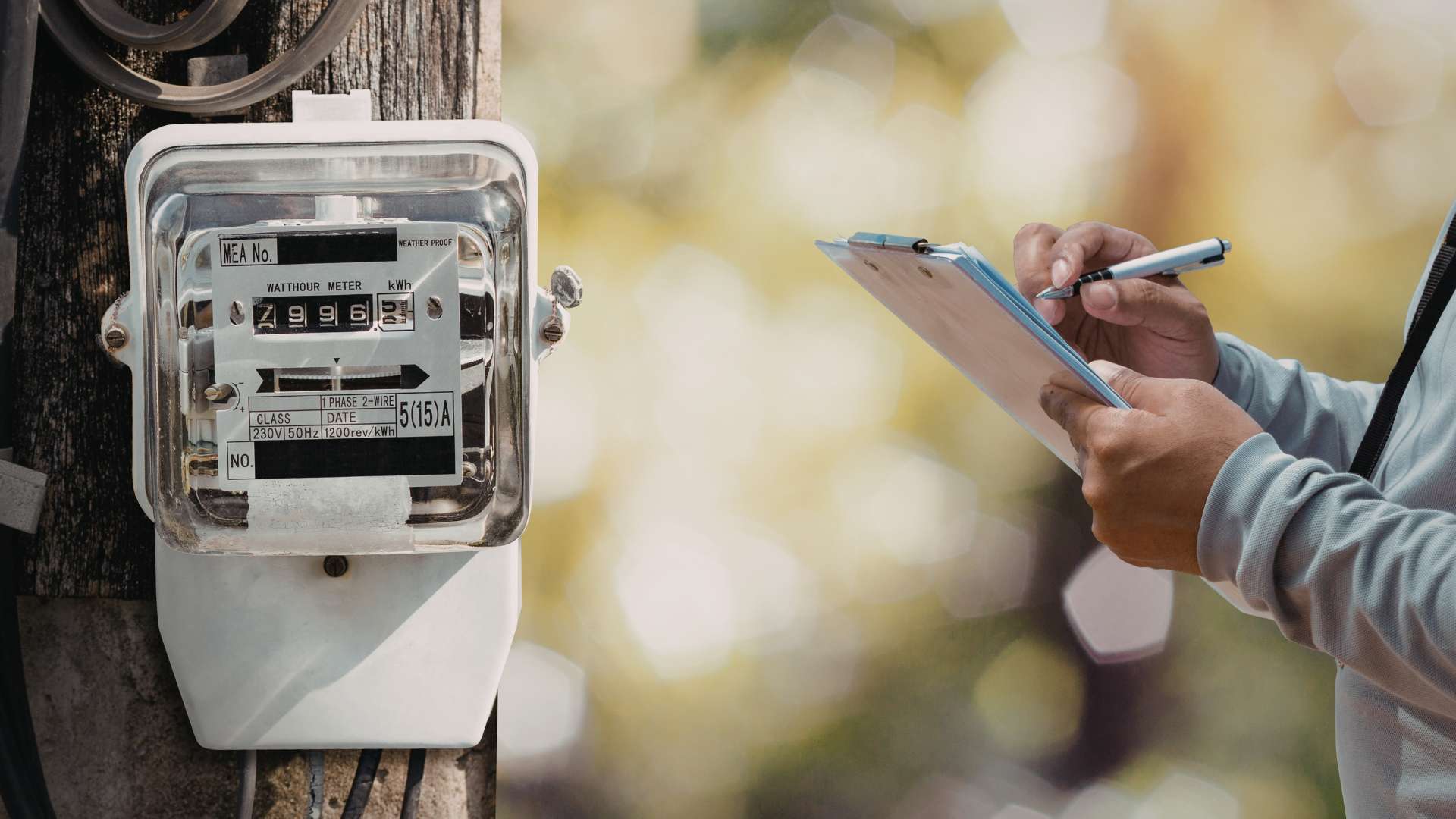
You’ve got your keys, but you can’t turn on the lights yet. Why? Because the individual meters for your unit haven’t been “activated” in your name.
- Meter Fees: Developers usually pass the cost of the electrical and water meter installation on to the buyer. This is a one-time fee of about $300 to $700.
- Electricity Rates: In Cambodia, electricity for condos is slightly higher than for traditional houses. Expect to pay around $0.25 per kWh.
- Water Rates: Water is quite cheap, usually around $0.35 to $0.75 per cubic meter.
- Internet: Most buildings have a “preferred provider.” Connection fees are usually minimal, but you’ll be looking at $20 to $50 a month for a decent high-speed fiber connection.
Annual Property Tax: The 0.1% Rule
Cambodia has one of the most investor-friendly property tax systems in the world, but you still have to pay your share once a year.
The formula for annual property tax is:
Tax = (Market Value x 80% – $25,000) x 0.1%
- The Exemption: Notice that first $25,000? That is exempt. So, if you own a small studio worth $30,000, your annual tax is practically zero.
- Real World Example: សម្រាប់ $100,000 condo, your annual tax bill will likely be around $55 to $65. It’s a tiny amount, but the deadline is September 30th every year. If you miss it, the General Department of Taxation will add interest and penalties, so don’t forget!

Withholding Tax (WHT): The Income Factor
If you plan to rent out your property, you need to understand Withholding Tax. This isn’t a tax on the property itself, but on the rental income you receive. The rate depends on two main factors: your residency status and who your tenant is.
Resident vs. Non-Resident:
- Residents: If you live in Cambodia for more than 182 days in a year, you are generally taxed at 10% of your gross rental income.
- Non-Residents: If you are an overseas investor, the rate is 14%.
Corporate Tenants: This is the “hidden” part. If you rent your condo to a company (e.g., as a corporate housing for their staff), the company is legally required to withhold that 10% or 14% and pay it to the GDT on your behalf.
Individual Tenants: If you rent to another individual (a “private lease”), WHT is often not collected at the source in the same way, but as an owner, you are still responsible for declaring your rental income.
Resale and Capital Gains: While we are currently in a grace period for ពន្ធលើប្រាក់ចំណេញមូលធន on real estate (deferred until January 2027), WHT can sometimes apply to specific corporate transfers of property.
IPS Pro Tip: When negotiating a lease with a corporate tenant, always clarify if the rent is “Net” or “Gross” of Withholding Tax. If you want exactly $1,000 in your pocket, the lease needs to be written as “$1,000 Net of WHT,” otherwise, the tenant will deduct the tax from your payment.

Financing and Banking Fees
If you aren’t a cash buyer, the bank is going to have its own list of “thank you” fees.
- Loan Processing Fee: Most Cambodian banks charge a 1% processing fee on the total loan amount. If you borrow $100,000, that’s an immediate $1,000 out of your pocket.
- Valuation Fee: The bank won’t take the developer’s word for the price. They will hire an independent firm to value the property. This costs between $150 and $250.
- Insurance Requirements: Banks will almost always require you to have Fire Insurance និង Life Insurance. Fire insurance is very affordable (around $100 a year), but life insurance premiums depend on your age and health.

Furnishing and “Move-In” Prep
“Fully Furnished” is a term that gets thrown around a lot in Cambodia, but you need to read the inventory list very carefully.
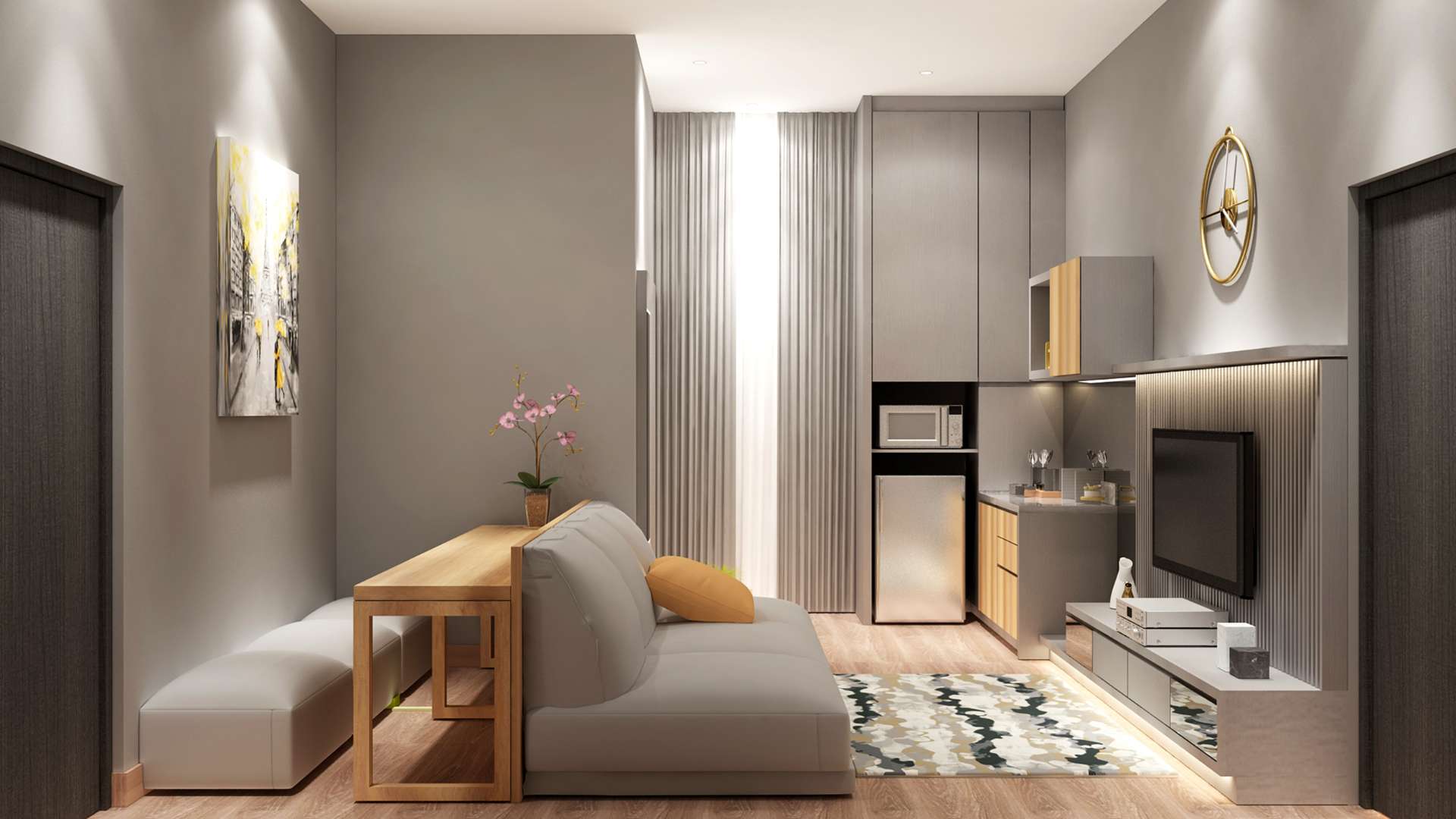
- What’s Usually Missing: Even in a “fully furnished” unit, you’ll often find there are no curtains, no mattress (just the bed frame), no microwave, and definitely no plates or cutlery.
- The Fit-Out Budget: For a standard 1-bedroom condo, we recommend setting aside a “Move-In” budget of $2,500 to $5,000. This covers your soft furnishings, electronics, and those little things that turn a concrete box into a home.
- The Rental Standard: If you are an investor, you want your unit to stand out. Spending an extra $2,000 on high-quality decor can often mean an extra $100 or $200 in monthly rent.
Rental Management and Agency Commissions
If you don’t plan on living in the unit yourself, you need to factor in the cost of finding and keeping a tenant.
- Finding a Tenant: The standard commission for a real estate agency in Cambodia is one month’s rent for a one-year lease, and half a month’s rent for a 6-month lease.
- Ongoing Management: If you live overseas, you really don’t want to be answering calls at 2 AM because a lightbulb is out. Professional property management, like what we offer at IPS Cambodia (អាភីអេសខេមបូឌា), usually costs around 10% of the monthly rent. We handle everything from bill payments to maintenance, so your investment is truly passive.

The “Safety Margin” Rule
We know we’ve just gone through a lot of numbers, and it might feel a little overwhelming. But here is the good news: when you add it all up, the costs in Cambodia are actually quite low compared to places like Singapore, Thailand, or Vietnam.
As a general rule of thumb at IPS Cambodia (អាភីអេសខេមបូឌា), we tell our clients to budget an additional 6% to 10% of the purchase price to cover all these “hidden” extras.
- If the condo is $100,000, you should have $110,000 total.
This ensures that you can pay the taxes, set up your utilities, buy your furniture, and have a little bit of a “cushion” for the first few months of ownership.
If you still have doubts about buying or selling a condo in Cambodia, contact our consultants now for further understanding.
