
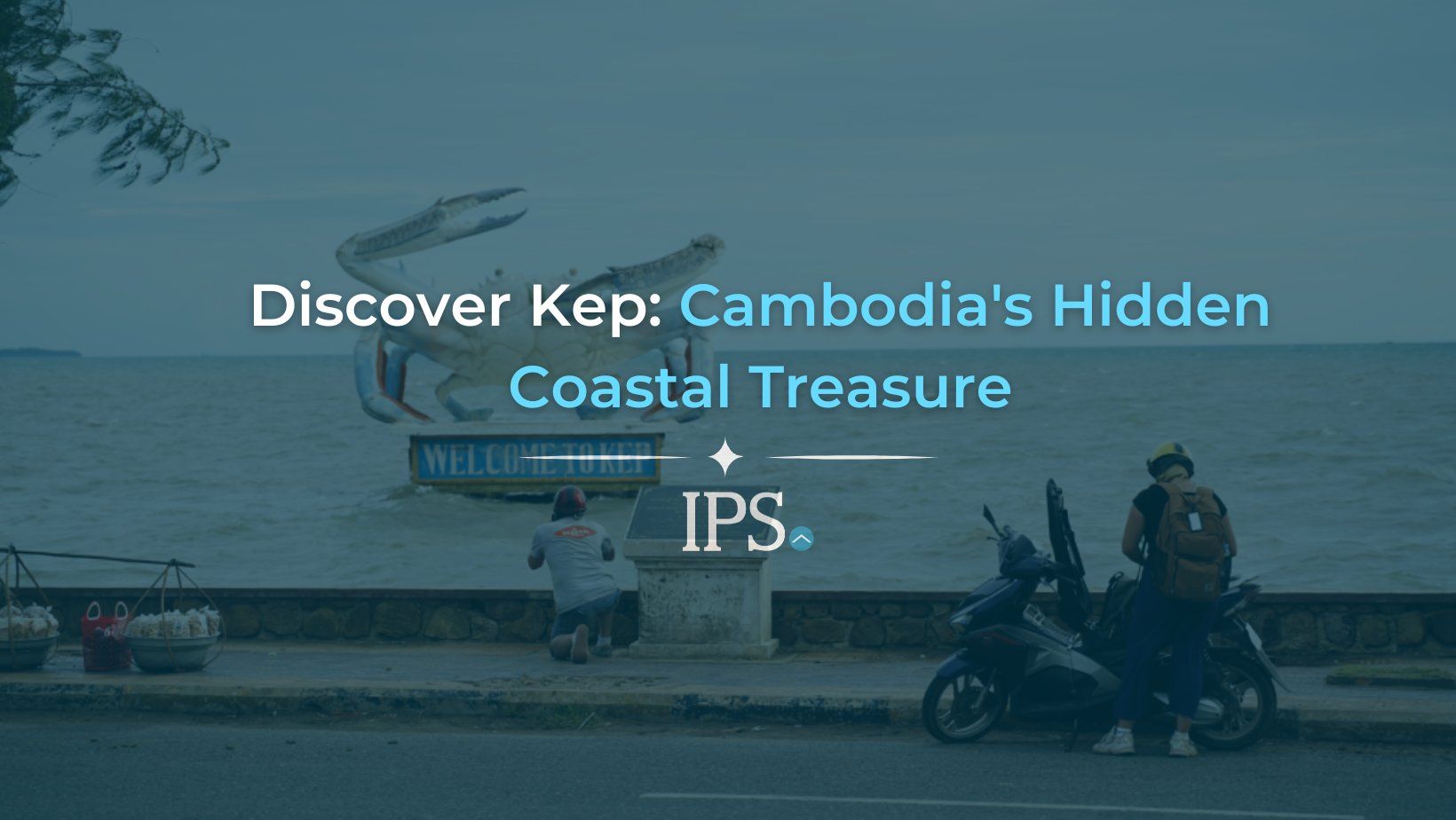
Nestled along Cambodia’s southern coastline, ខេត្តកែប occupies a unique place in the country’s tourism and development landscape. Small in size yet rich in character, Kep combines colonial heritage, coastal beauty, culinary excellence, and environmental preservation in a way few destinations in Southeast Asia can match. While larger coastal cities have experienced rapid urbanization and mass tourism, Kep has maintained a quieter identity centered on nature, culture, and quality of life.
Today, Kep represents one of Cambodia’s most promising examples of sustainable coastal development. Visitors are drawn by its famous seafood, scenic national park, tropical islands, and peaceful atmosphere, while investors increasingly recognize its long-term potential as a premium tourism and lifestyle destination.

Geography and Location
Located approximately 170 kilometers south of Phnom Penh and only a short drive from neighboring ខេត្តកំពត, Kep sits along the Gulf of Thailand in Cambodia’s southwestern coastal region. Covering just over 330 square kilometers, it is the smallest province in the country, yet its geographical diversity far exceeds what its size might suggest. The province features a unique combination of forested hills, rocky coastlines, mangrove ecosystems, sandy beaches, and offshore islands.
Unlike many coastal destinations characterized by flat terrain, Kep rises gradually from the sea into lush green hills that provide spectacular views of the coastline and surrounding waters. Its strategic location near both Kampot and the Vietnamese border has historically made it an important regional gateway, while its natural setting has helped preserve its reputation as one of Cambodia’s most picturesque provinces.
The History of Kep
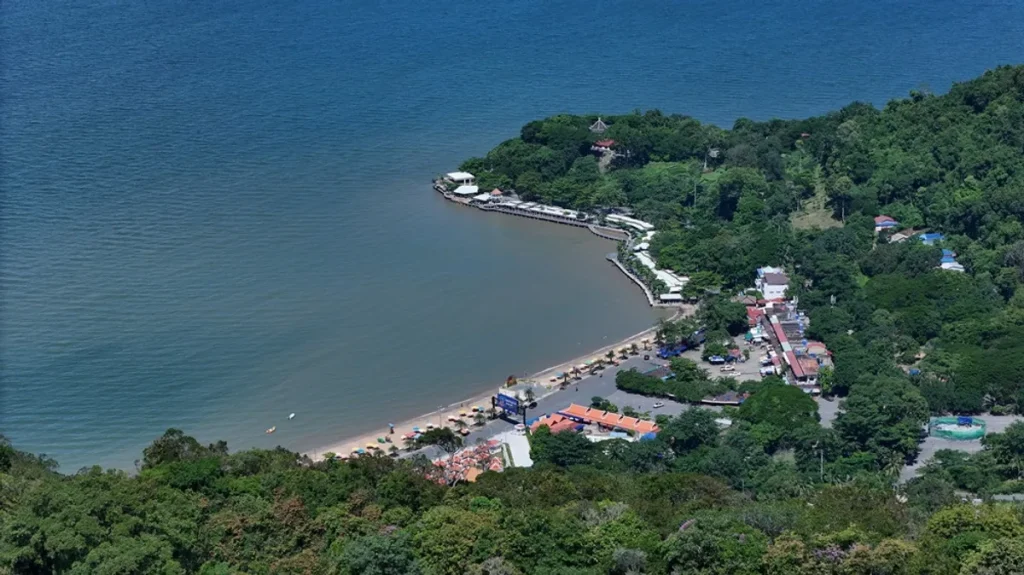
Kep began as a small fishing community sustained by the rich waters of the Gulf of Thailand. During the French colonial era, it developed into a popular seaside retreat, with elegant villas and holiday homes built along the coast.
The province reached its peak in the 1950s and 1960s under King Norodom Sihanouk, becoming known as the “French Riviera of Cambodia.” However, years of conflict led to its decline and the abandonment of many villas.
Since the 1990s, Kep has steadily recovered through tourism, infrastructure development, and investment, while preserving its historic character and coastal charm.
The Beaches of Kep
Although Kep does not possess the extensive coastline of destinations like ខេត្តព្រះសីហនុ, its beaches offer a more intimate and relaxed experience.
Kep Beach
Kep Beach serves as the province’s main public beach and remains one of its most popular attractions. Enhanced with imported white sand and lined with palm trees, the beach provides a family-friendly environment ideal for swimming, picnics, and sunset walks. Its waterfront promenade attracts both visitors and locals throughout the day.
Angkul Beach Area
Located away from the main tourist areas, Angkul offers a quieter coastal experience. The atmosphere here is less commercialized, allowing visitors to appreciate the natural beauty of the coastline in relative solitude.
Rabbit Island Beaches
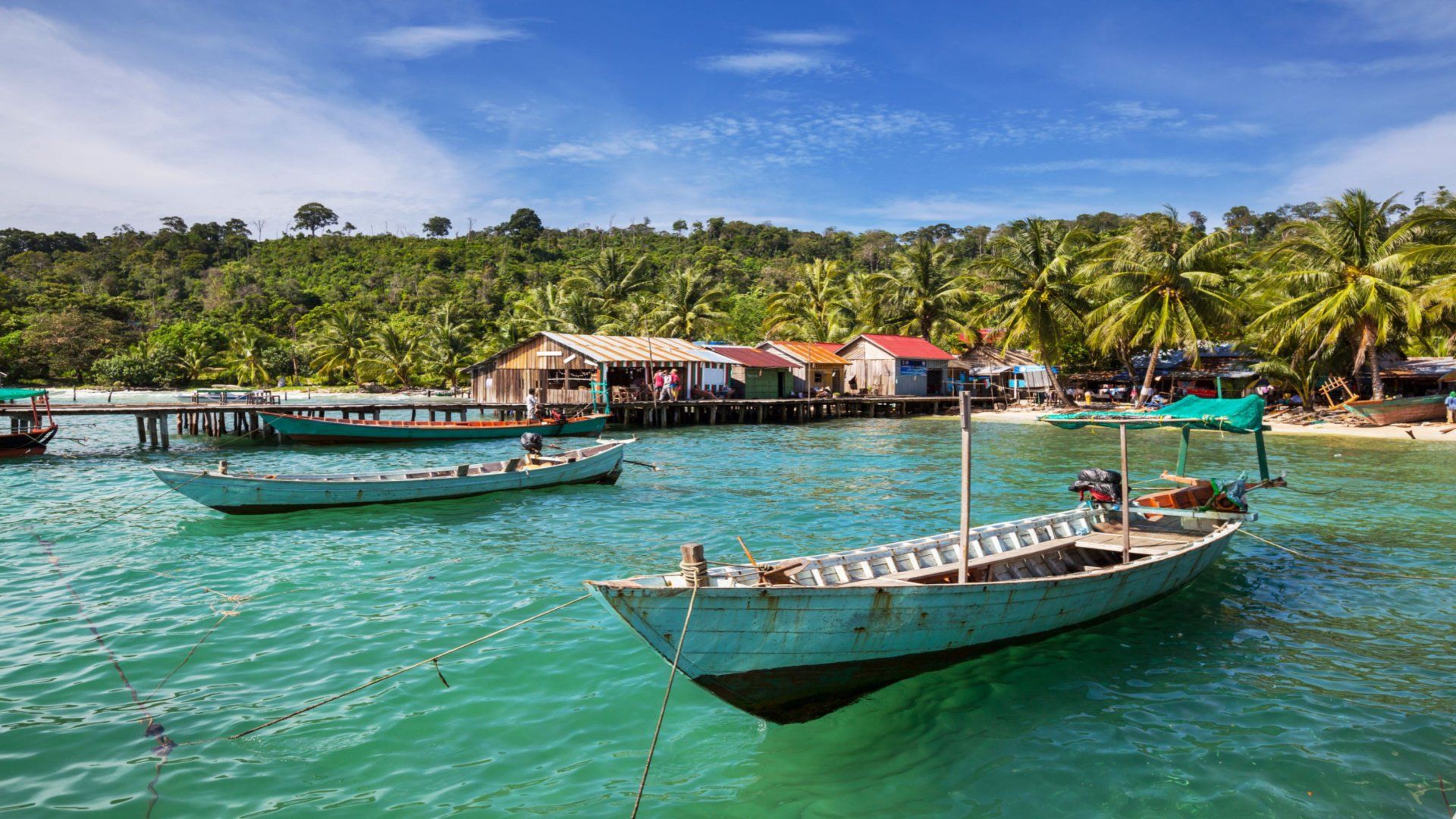
The most beautiful beaches associated with Kep are found on Koh Tonsay, commonly known as Rabbit Island. Here, visitors discover traditional island scenery featuring coconut palms, clear waters, wooden bungalows, and an atmosphere largely untouched by modern development. Unlike heavily developed resort islands elsewhere in Southeast Asia, Rabbit Island continues to offer a glimpse of Cambodia’s coastal environment in its natural state.
Interested in Cambodian Islands? Read more about Koh Rong instead: Koh Rong: The Ultimate Guide to Cambodia’s Tropical Island Paradise

Population and Lifestyle
Unlike Cambodia’s rapidly urbanizing cities, Kep remains a relatively small and close-knit community. With a population of fewer than 50,000 residents, the province offers a lifestyle that many Cambodians and expatriates increasingly find attractive.
Life in Kep moves at a noticeably slower pace. Fishing boats still depart before sunrise, local markets remain central gathering places, and community relationships continue to play an important role in daily life. Many families derive income from a combination of fishing, farming, tourism, and small businesses.
The province’s low population density contributes significantly to its appeal. Residents enjoy cleaner air, less traffic, and easier access to nature than in Cambodia’s larger urban centers. This balance between modern convenience and traditional living has become one of Kep’s defining characteristics.
Kep National Park and Natural Attractions
One of Kep’s greatest assets is its natural environment. At the heart of this is Kep National Park, a protected area that rises above the coastline and offers some of the province’s most spectacular scenery.
The park’s network of trails winds through tropical forests filled with butterflies, birds, and native vegetation. Along the route, visitors encounter viewpoints overlooking the Gulf of Thailand, nearby islands, and the surrounding countryside.
Beyond the national park, Kep’s environment includes mangrove forests, coastal wetlands, marine habitats, and small offshore islands that support diverse ecosystems. These natural resources form the foundation of the province’s growing eco-tourism sector.
The Famous Crab Market and Culinary Culture
No discussion of Kep would be complete without mentioning its food culture. The province has earned international recognition for its seafood, particularly its famous blue crab.
The iconic Crab Market stands as both a tourism attraction and a working seafood marketplace. Each day, fishermen bring fresh catches directly from the sea, supplying restaurants that serve some of Cambodia’s most celebrated dishes.
The most famous local specialty is undoubtedly Kep crab prepared with Kampot pepper. The combination of sweet crab meat and aromatic pepper has become one of Cambodia’s signature culinary experiences.
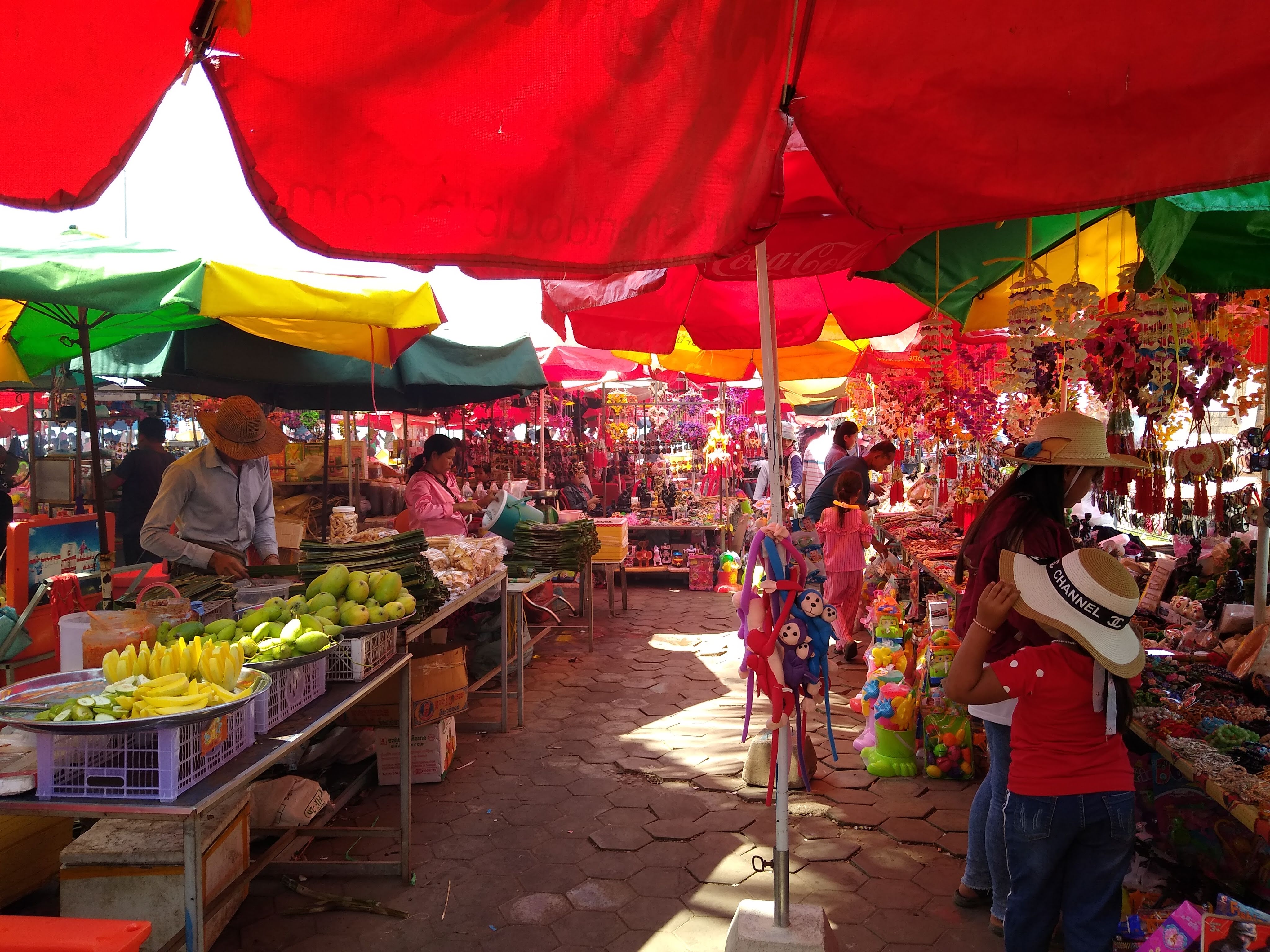
Beyond seafood, visitors can enjoy tropical fruits, local desserts, and traditional Khmer cuisine that reflects the agricultural richness of the surrounding region.
Accommodation and Hospitality
Kep’s accommodation sector reflects the province’s focus on quality tourism rather than mass development.
Visitors can choose from budget (according to Booking.com, Trip.com and Trip Advisor):
- Guesthouses starting at around $15–$40 per night,
- Mid-range hotels and boutique resorts averaging $50–$120 per night
- Luxury resorts and private villas ranging from $150 to over $500 per night.
Many properties are designed to blend with Kep’s natural surroundings, offering sea views, tropical gardens, and a peaceful atmosphere. This boutique approach has helped establish Kep as a popular destination for couples, wellness travelers, retirees, and visitors seeking a more relaxed coastal experiences.
When to Visit
The best time to visit Kep is from
- November to April, when the weather is sunny, dry, and ideal for enjoying the beaches, islands, hiking trails, and outdoor activities.
- From May to October, the rainy season brings greener landscapes, fewer tourists, and lower hotel prices. Although there are occasional showers, this period is perfect for travelers who prefer a quieter and more natural experience.
Tourism Growth and Infrastructure Development
Over the past decade, Kep has undergone significant improvements in infrastructure. Roads connecting the province to Phnom Penh and Kampot have been upgraded, reducing travel times and improving accessibility.
Public investments have enhanced beaches, parks, waterfront areas, and tourism facilities. Telecommunications and internet services have expanded considerably, supporting both tourism businesses and remote workers.
Unlike some coastal destinations that have pursued rapid high-density development, Kep’s growth has generally been more measured. Authorities continue to emphasize quality tourism, environmental protection, and sustainable planning as key priorities for future expansion.
Future Development Projects and Investment Potential
Kep’s future is increasingly linked to Cambodia’s broader coastal development strategy. Government plans include improvements to transportation infrastructure, tourism facilities, environmental management systems, and public amenities. Private sector investment is growing in areas such as boutique resorts, wellness retreats, eco-tourism projects, retirement communities, and vacation properties. Investors are attracted by Kep’s natural beauty, limited land supply, and potential to become a premium coastal destination. Many observers compare Kep’s current position to the early stages of destinations such as Phuket, Bali, or Phu Quoc before large-scale development transformed those markets.
Upcoming
Following the province’s growing popularity as a tourism and lifestyle destination, The Pearl of Kep Hillside Residence has emerged as one of Kep’s most notable residential developments. Located on the scenic hillsides near Tmor Ma Dom, the boutique low-density condominium project combines panoramic sea and mountain views with modern amenities and thoughtfully designed living spaces. Project Overview:
- Site Area: 2550sqm
- Total Floor: 9
- Unit Types: 1 bedroom, 2 bedrooms, penthouse
- Starting Size: 52sqm
- Starting Price For Sale ($): 137,900
- Construction Progress (%): 70
- Project Amenities: Gym/Fitness Center, Car Parking, Moto Parking, Elevators & Lifts, Commercial area, Common Area, Garden, Swimming Pool, 24/7 security
- Handover Date: 2028-03-03
The Future of Kep
Kep stands at an important moment in its development journey. As Cambodia’s tourism industry evolves, the province faces the challenge of balancing economic growth with environmental protection and cultural preservation.
Its greatest strength lies precisely in what it lacks: overcrowding, overdevelopment, and excessive commercialization. The qualities that make Kep attractive today is its tranquility, natural beauty, historical character, and high quality of life that are the same qualities that must be carefully protected in the future.
If managed responsibly, Kep has the potential to become one of Southeast Asia’s leading examples of sustainable coastal development. Rather than competing with larger beach destinations, it is increasingly defining its own identity as Cambodia’s premier boutique coastal province, where heritage, nature, and modern tourism coexist in harmony.
Contact us:
- Telegram / WhatsApp: +855 77 959 861
- អ៊ីមែល៖ inquiry@ips-cambodia.com
- Visit Our Office: No.182 Street 63 (Corner of St. 294), BKK1, Phnom Penh
- Our Telegram Channel: IPS Cambodia (អាភីអេសខេមបូឌា)
- Our Social: YouTube, ហ្វេសប៊ុក, LinkedIn, TikTok
