
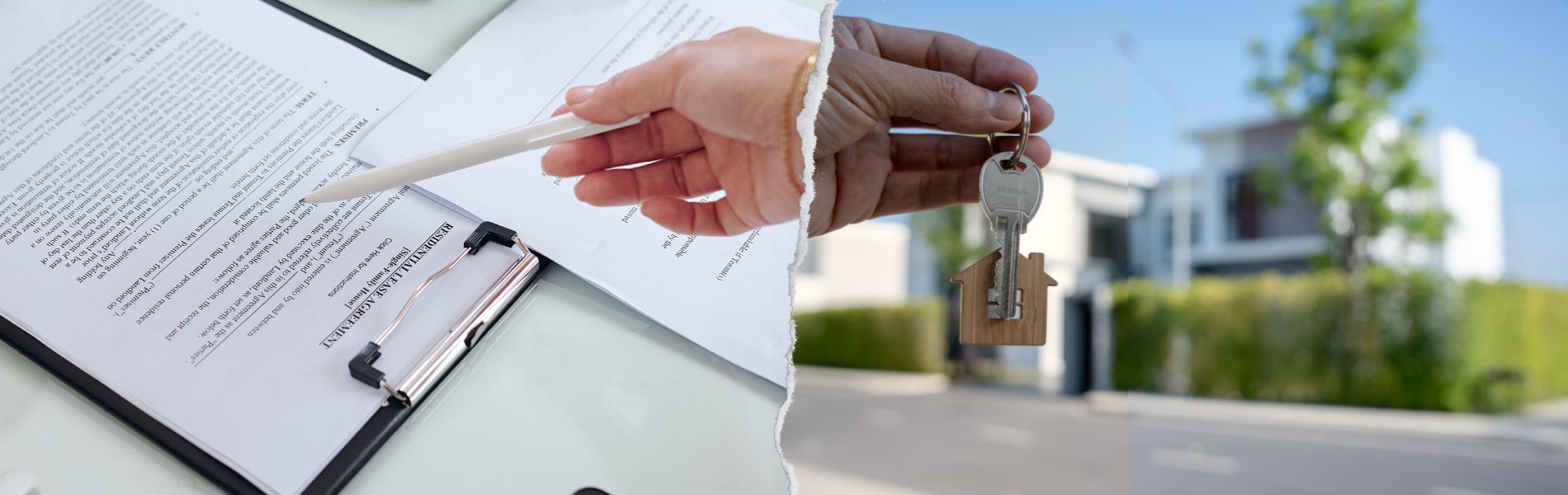
Investing in real estate most of the time leads to two decisions that will allow you to be in a better financial position: selling or renting out your home. This is a difficult move that you cannot rush through since you have to consider different factors. In order to make the right choice for you, check out a couple of things to help you decide here.
Property demand in the market
The first thing you have to consider is if there is demand for your property in the market. If there is high buying demand and scarcity for similar properties, then selling is a good idea. Buyers will flock to your property in this situation, especially if you advertise it properly, allowing you to maximize the potential by letting them go into a bidding war to get it. On the other hand, if rental demand in your area is high, then the better option is to lease it.
Before rushing through with a decision, make sure to check how the market is currently doing so you don’t misread the data and make the wrong decision.
Consider possible profit
Following demand, you need to calculate the possible profit you can get from selling your property or leasing it. Consider not only the potential gains but the amount you can get if you sell it at once or the annual profit if you rent it. During your calculations, make sure you do not only break even but gain more than what you put down when you bought it.
DEEP DIVE: Cash Flow vs Capital Gain: Understanding Financial Returns in Real Estate Investment
Additionally, make sure to include the following during your profit computation:
- Property insurance
- Mortgage
- Property taxes
- Taxes on rental property
- Homeowners association dues
- Maintenance and repair costs
Current financial liquidity
Given that rental properties cost quite a large sum to get started and maintained, you would need a chunk of your finances to be liquid. According to Monique Walker, one of the top real estate agents in Arizona, U.S, you need at least $10,000 available to lease a property. This will cover the mortgage, maintain the property, and taxes when you’re looking for a tenant. If you don’t have it, it’s better to just sell since you wouldn’t have the funds to kickstart a rental.
Relocation period
One of the reasons that people sell their homes is because they’re relocating to a different place. However, you have to consider if you’ll be coming back within a couple of months or years to the area where your property is. If you are, then it’s better to lease your real estate in the time that you’re gone so you can eventually come back for it. While doing so, you’re also earning profit so it evens out.
On the other hand if you’re not planning on returning, then selling the property is the better choice. After all, you would need to handle the property from afar, making the process more stressful rather than worthwhile.
Capital Gains Tax
Among other property taxes you need to consider is the capital gains tax. This is the tax you need to pay when you’re selling any Cambodian real estate property. In Cambodia, the tax is a strict 20% that you need to pay within three months of selling the asset. Take note though that this tax only takes 20% of the result after the total expenses have been deducted from the sales price, which will marginally lessen the deduction.
Make sure to involve this in your computation since if the profit after selling is considerably less than you would have made from leasing it, then it’s better to just rent it out. On the other hand, if you’d still bag a large profit after capital gains tax, then it’s a better move to sell.
If you are still uncertain about whether to sell or lease their property, our team of property experts can provide valuable insights and assist you in making the best investment decision.
Contact us here or via Telegram to get personalized advice or expert consultation.
