
Cambodia, the Kingdom of Wonder, is fast becoming Southeast Asia’s top choice for retirees seeking a fulfilling, cultural, and financially manageable life. The low cost of living, straightforward visa process, and welcoming expat communities make it an irresistible destination.
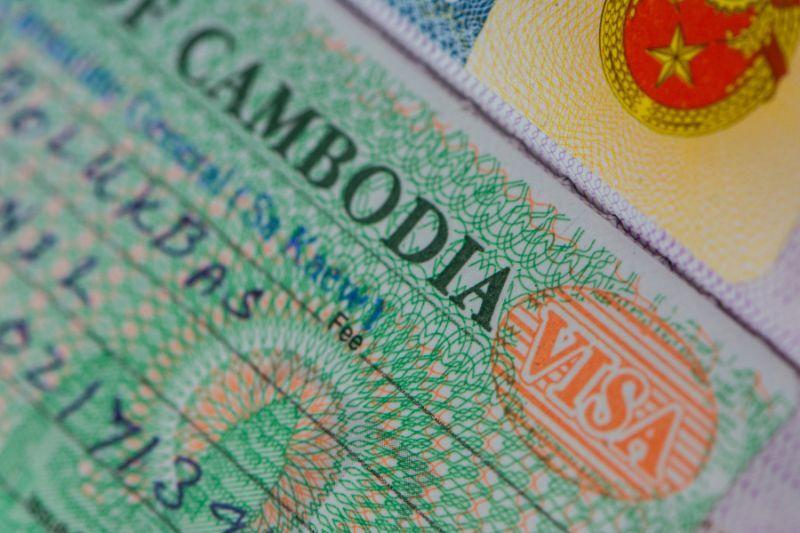
1. The Retirement Visa: Simple and Renewable (ER Extension)
Cambodia offers one of the least complicated long-stay visa paths in Asia for retirees.
- Entry Requirement (Step 1): You must first enter the country on an Ordinary (E-class) Visa. This 30-day visa costs approximately $35 and is available on arrival at international airports or land borders. You must not enter on a Tourist (T) Visa, as it cannot be extended long-term. The application can be made through the Cambodian Embassy, consulate in your home country or via the online visa portal.
- The Retirement Extension (Step 2): Once inside the country, you apply for the ER (Retirement) Visa Extension. This visa is renewable for up to 12 months at a time and grants multiple entry privileges.
ER Visa Eligibility (Current Requirements):
- Be 55 years or older.
- Have a passport valid for at least 6 months with at least one blank page for the visa stamp
- Provide a passport photo
- Submit a health certificate and criminal background check (these may be requested during the application process)
- Show proof of retirement or sufficient funds for self-support, such as pension or bank statements
- Not be employed in Cambodia
Note: The 12-month ER Visa extension usually costs between $280 and $300, which may include government fees and an optional agent fee. While a medical certificate and police clearance are not always required, they are sometimes requested by authorities. Many retirees choose to work with a reputable visa agent to help ensure a smooth application process.
2. Living Well on a Modest Budget
Cambodia’s affordable cost of living is its single biggest draw, allowing a standard of comfort that few other countries can match on a pension. The local currency is the Khmer Riel (KHR), but the US Dollar is the de facto currency for all major transactions.
Realistic Monthly Expat Budget (Single Person)
| Expense Category | Phnom Penh (Comfortable) | Sihanoukville (Comfortable) |
Siem Reap / Kampot (Relaxed) | |
| Rent (1BR Modern Apartment) | $350 – $600 | $200 – $650 | $200 – $450 | |
| Utilities (Electricity, Water, Garbage) | $80 – $150 | $60 – $150 | $60 – $100 | |
| Groceries & Food | $150 – $350 | $150 – $400 | $150 – $250 | |
| Internet & Mobile Data (High-Speed) | $25 – $40 | $25 – $40 | $25 – $40 | |
| Transportation (Tuk-Tuk/Grab App) | $15 – $70 | $30 – $100 | $15 – $50 | |
| Entertainment & Social | $150 – $300 | $50 – $300 | $50 – $250 | |
| Total Estimated Monthly Budget | $770 – $1,510 | $515 – $1,640 | $500 – $1,140 |
Cost Tip: Electricity is one of the highest variable costs. Always confirm the per-kWh rate with the landlord before signing a lease.
Incredibly, according to Cheapest Destinations Blog, Cambodia is one of the top cheapest countries in Southeast Asia with Vietnam and Laos standing side by side. It’s one of the few countries that hasn’t gotten back to pre-pandemic tourist numbers, so Siem Reap is a great value for digital nomads for now.
Special Estimations of Monthly Expenses: Cambodia Vs. USA Vs. Australia:
Below is a simple table comparing cost of living of Cambodia to Australia and the US:
| Expense Category | Cambodia (Phnom Penh) | United States (Major City Avg.) | Australia (Major City Avg.) | Key Difference |
| Rent (1BR in City Center) | $350 – $600 | $2,000 – $3,500 | $1,800 – $2,500 (AUD $2,700 – $3,750) | Rent in Cambodia is 65% – 80% lower. |
| Utilities (Basic + A/C) | $80 – $150 | $150 – $250 | $180 – $300 (AUD $270 – $450) | Lower energy costs, but high AC use closes the gap. |
| Groceries & Food | $150 – $350 | $500 – $800 | $450 – $700 (AUD $675 – $1,050) | Local markets and rice are cheap; imported Western goods are costly, but still cheaper than the West. |
| Internet (High-Speed) | $25 – $40 | $60 – $100 | $55 – $80 (AUD $80 – $120) | Cambodia has very competitive and cheap internet plans. |
| Transportation (Local) | $15 – $70 | $100 – $250 (Monthly Transit Pass/Gas) | $80 – $180 (Monthly Transit Pass) | Cambodia relies on cheap ride-hailing (Tuk-Tuk/Grab); public transit is often very minimal. |
| Entertainment & Social | $150 – $300 | $400 – $800 | $350 – $600 | Meals, drinks, and activities are dramatically cheaper in Cambodia. |
| Total Estimated Monthly Budget | $770 – $1,510 | $3,210 – $5,700 | $2,865 – $4,330 | Cambodia offers a comparable, comfortable lifestyle for 1/3 to 1/5 the price of the Western cities. |
3. Healthcare and Insurance: Essential Planning
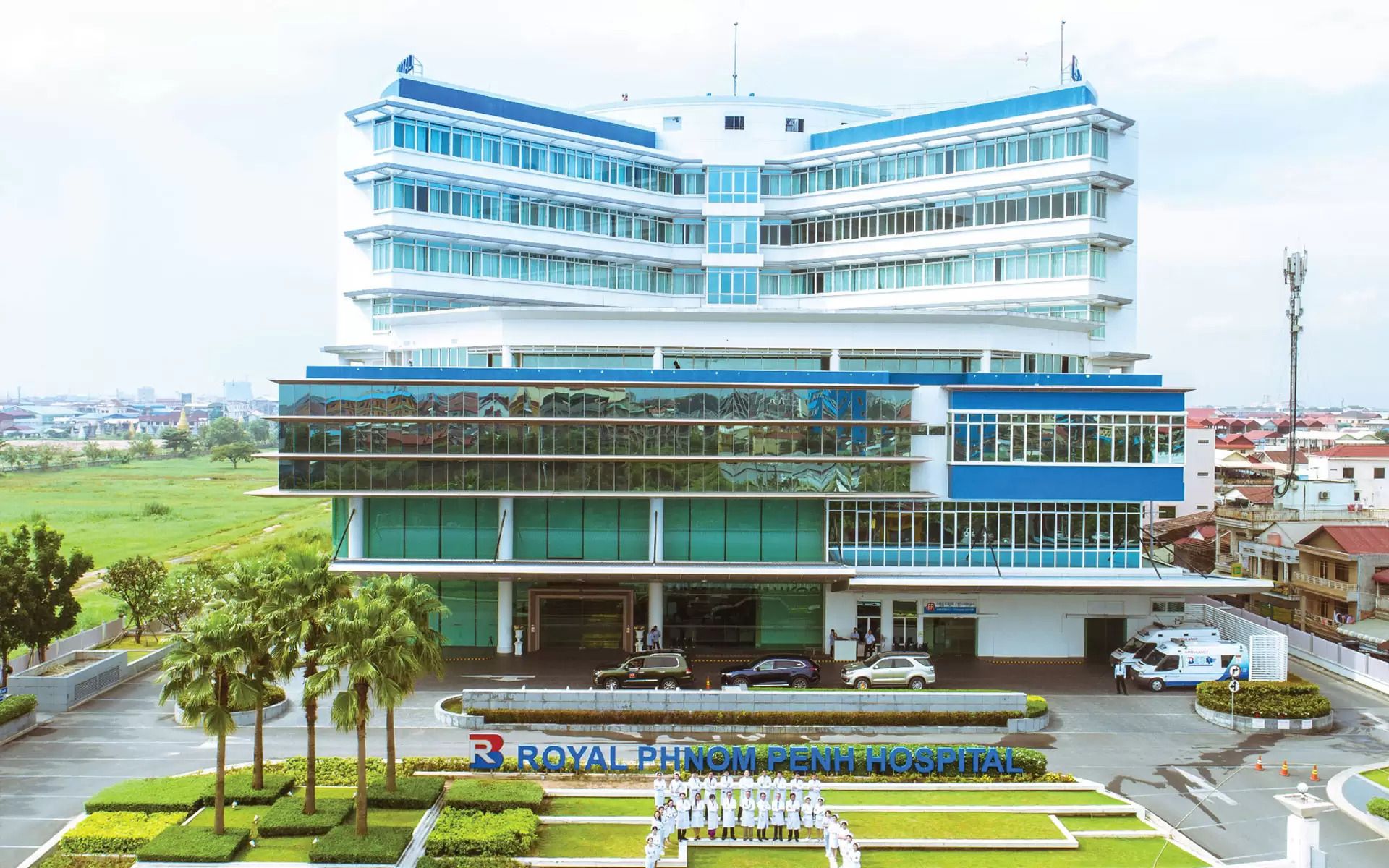
The healthcare system is two-tiered: a public system (limited for expats) and a growing private sector.
- Routine Care: General Practitioner (GP) visits and dental work are inexpensive and readily available in Phnom Penh and Siem Reap, often with English-speaking staff. Prices for a consultation are typically $25 to $50 per visit at a private clinic.
- Specialist/Complex Care: For major surgeries or complex procedures, expats commonly travel to regional hubs like Vietnam or Singapore.
- Insurance is Crucial: International health insurance with a Medical Evacuation clause is an absolute necessity. Local insurance plans are available but often lack comprehensive coverage for serious conditions or evacuation.
4. Safety in the Kingdom
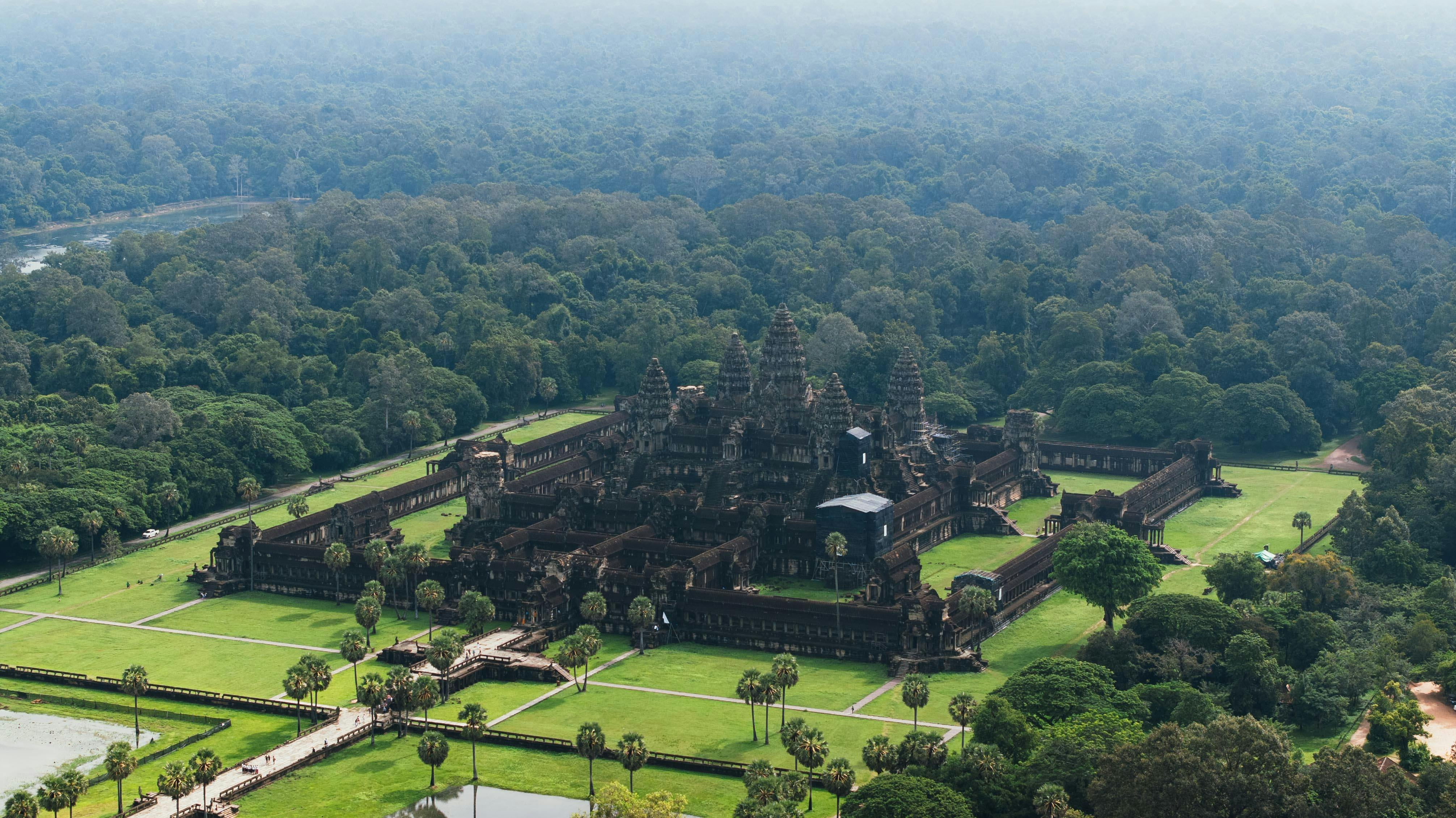
The perception of safety in Cambodia is often polarized, caught between its immense popularity as a Southeast Asian travel destination—home to the ancient wonders of Angkor Wat—and international warnings related to organized crime and residual conflict risks. For many tourists who stick to established routes, Cambodia is welcoming, and serious incidents are very rare. However, exercising a high degree of caution is a necessary standard, balancing the nation’s charm with its persistent challenges.
Numbeo ranks Cambodia 55th for Mid-2025 among over 140 countries. It scores 50.2 and 49.8 respectively for Crime Index and Safety. These scores are neither high nor low, confirming that Cambodia’s position in the middle tier of the world’s nations regarding perceived safety is better than many South American or African nations.
Despite the current border issue with Thailand, Cambodia is still absolutely safe to travel to as long as you don’t approach within 50KM of the conflicted areas (Banteay Meanchey, Oddar Meanchey, and Preah Vihear).
5. Where to Settle: Cities and Towns
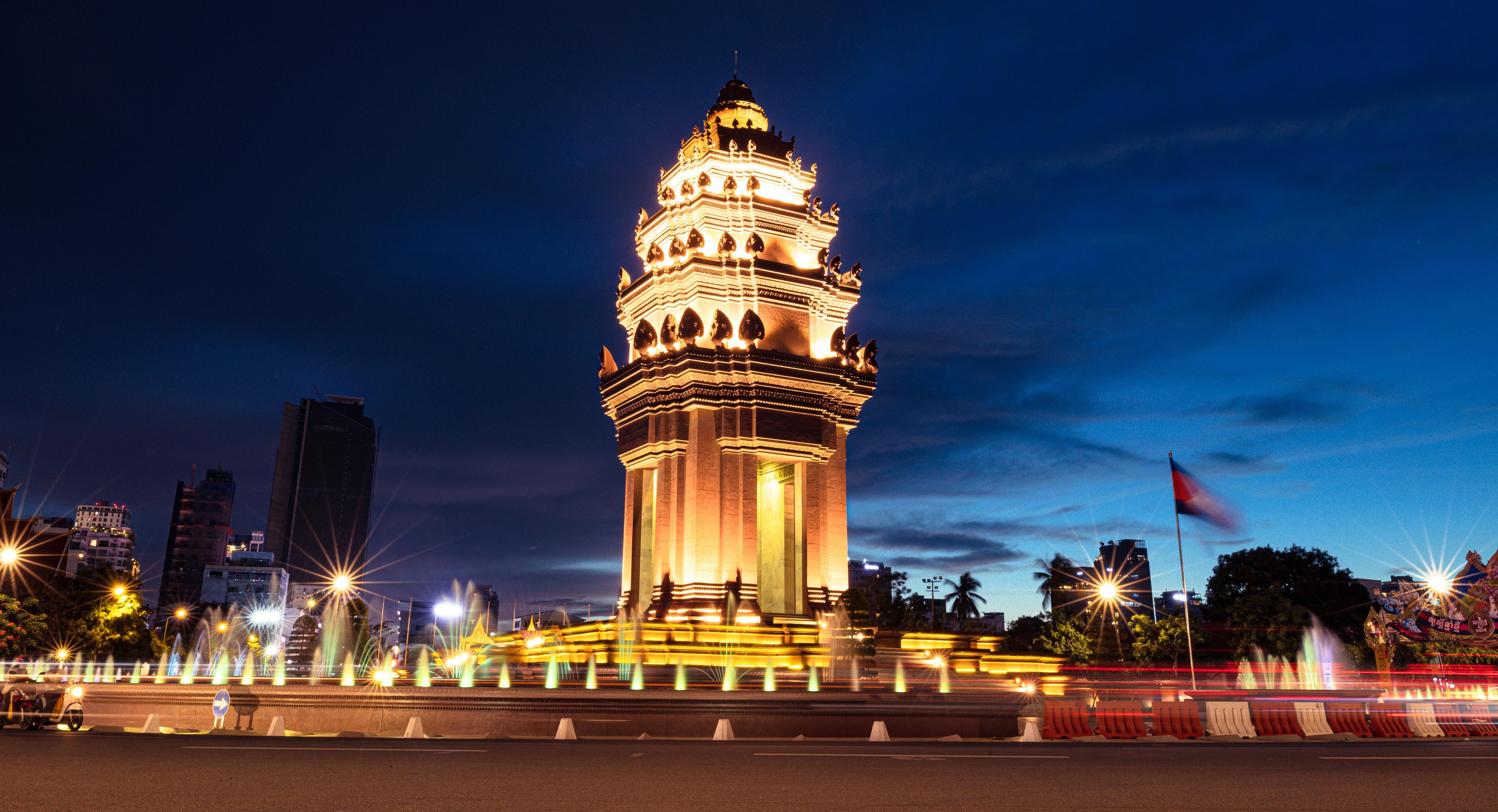
Phnom Penh
The capital. Best for those seeking an active social life, modern international infrastructure (malls, international dining), and easy access to top private healthcare facilities. It’s a “little big city”—smaller and more manageable than other major Asian capitals, but with all the conveniences.
Day-to-Day Life
Expect an energetic, fast-paced city. Your day will likely involve hopping in a tuk-tuk or Grab/PassApp ride to navigate traffic, frequenting international cafes for remote work or socializing, shopping at Western-style supermarkets (like Lucky or Chip Mong), and enjoying a diverse evening scene, from rooftop bars to international dining.
Popular Expat Areas
- Boeung Keng Kang 1 (BKK1): For maximum convenience, walkability, and high-end living.
- Toul Tom Poung (Russian Market): For a more local feel, lower cost, and vibrant market atmosphere.
- Tonle Bassac: For modern high-rise condos, proximity to the CBD, and river views.
Read: Exploring Phnom Penh’s Top 4 Locations for Expats: BKK1, Tonle Bassac, Toul Tom Poung, Riverside
Pros
- Best amenities (shopping, international schools, hospitals).
- Largest, most diverse expat community.
- Highest job/business opportunities (if still working).
Cons
- Congestion and pollution (noise and air).
- Higher cost of living, especially for modern housing.
- The city lacks a relaxed, nature-based escape.
Siem Reap
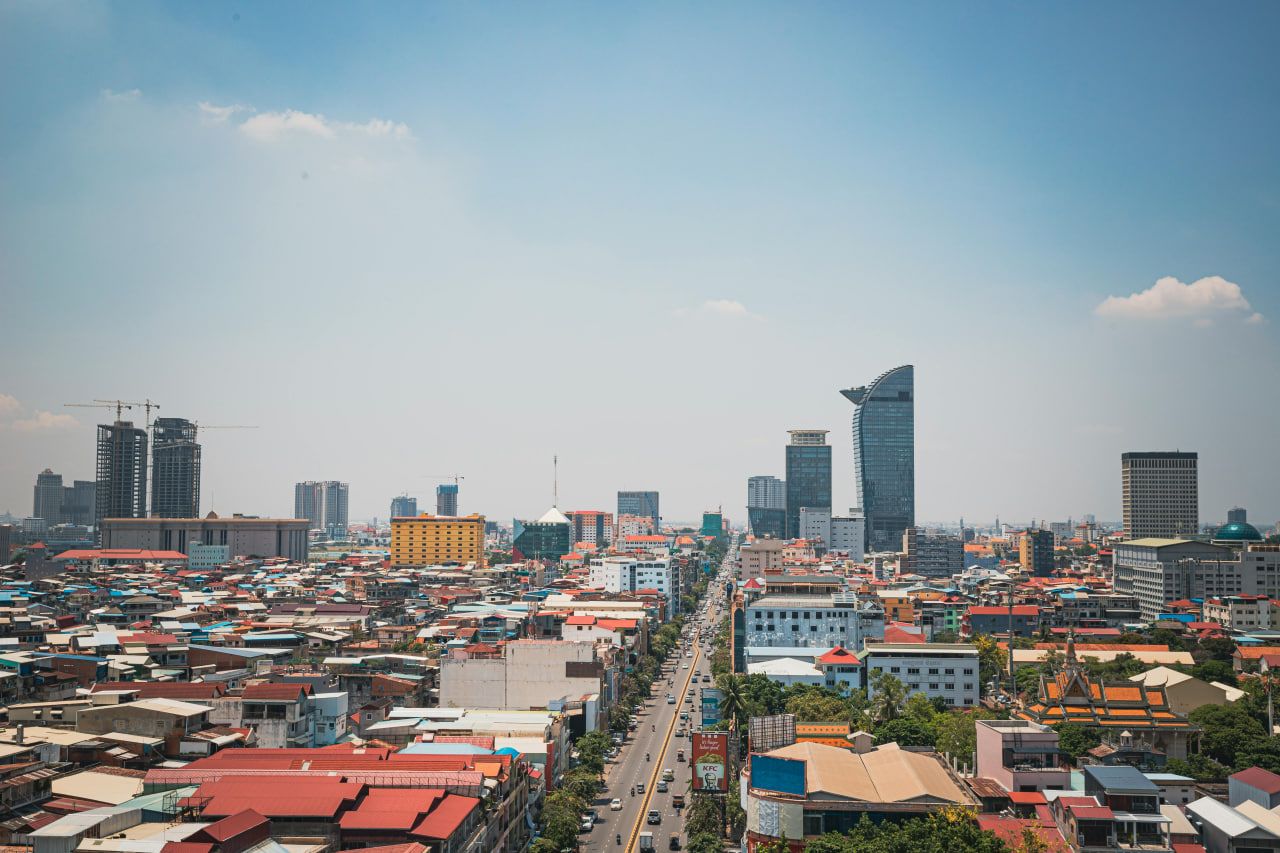
The cultural hub. Best for retirees who love history, a calmer, more laid-back pace, and a strong sense of community built around the Angkor Wat complex. It maintains a small-town feel despite its international renown.
Day-to-Day Life
The rhythm is gentler here. Days may include cycling or driving out to the temples, relaxing in numerous stylish cafes, joining expat-led activities, or enjoying a massage. Evenings are spent enjoying the various restaurants or the bustling but tourist-focused Pub Street area.
Popular Expat Areas
- Wat Bo Road and riverside areas: For walking access to cafes, restaurants, and the river.
- Sala Kamreuk: For quieter, more residential streets and villas.
- Pub Street: For access to most bars and clubs.
Pros
- Lower cost of living than Phnom Penh.
- Welcoming, tight-knit expat community.
- Easy access to the world-famous Angkor Archeological Park.
Cons
- Highly tourist-focused, which can be tiring.
- Very hot and dry for many months of the year.
- Fewer international shopping/healthcare options than the capital.
Read: Why Siem Reap, Cambodia Is a Great Place to Retire
Sihanoukville
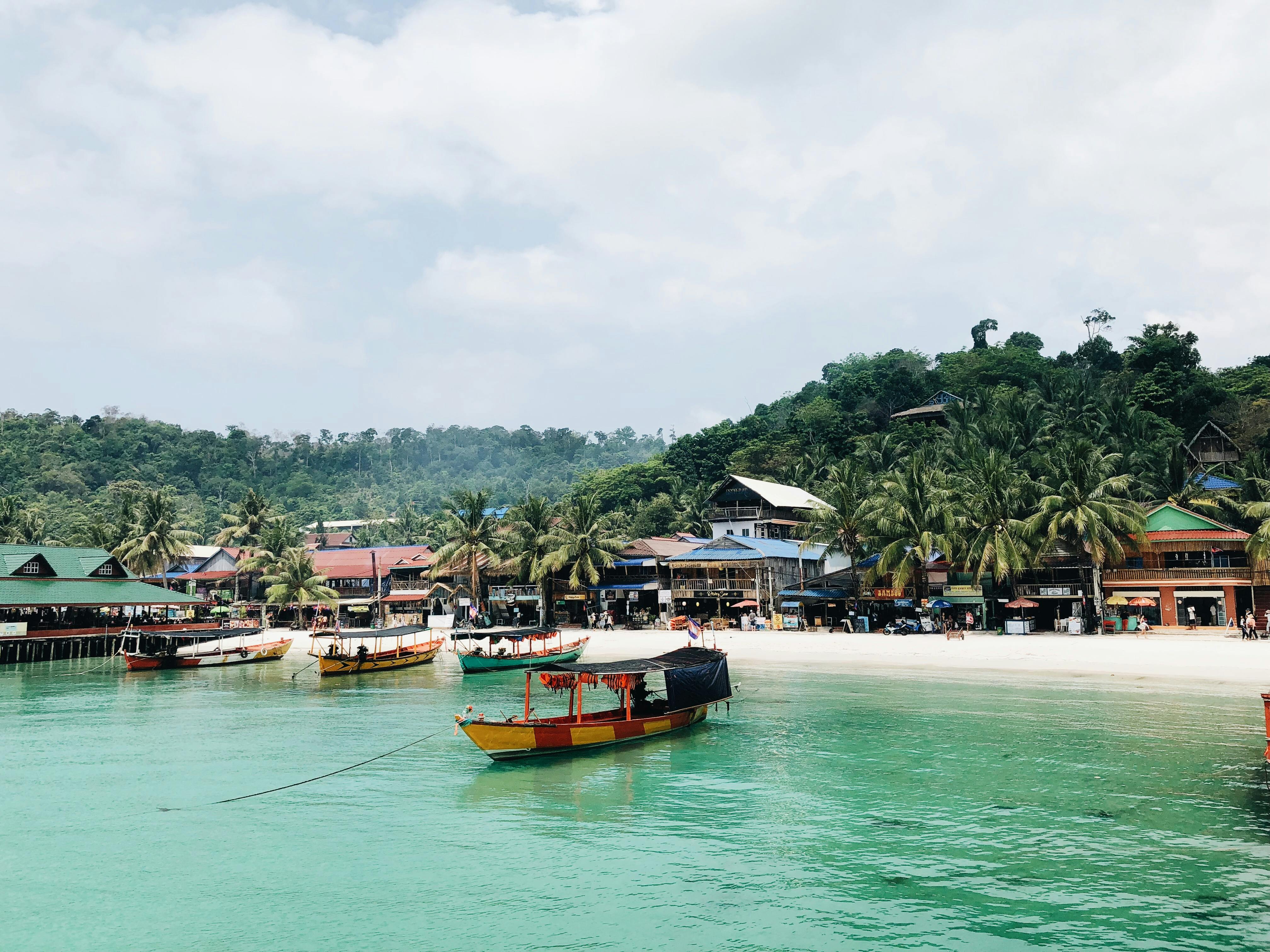
Since it’s a coastal zone, it’s best for retirees who want a beach lifestyle and have a higher tolerance for change and construction. It is undergoing a massive transformation, transitioning from a backpacker town to a major economic and casino hub, offering a unique mix of new infrastructure and coastal views.
Day-to-Day Life
Life revolves around the newly paved roads, modern infrastructure, and proximity to the sea. Days can be spent at the clean, developed Independence Beach or taking a quick ferry to the idyllic islands of Koh Rong or Koh Rong Samloem. Dining is increasingly focused on new Asian (often Chinese) restaurants, with a scattering of older expat-run venues.
Popular Expat Areas
- Independence Beach area: For access to the nicer, more developed beaches and new condos.
- Otres Beach (Further South): Still holds onto a more tranquil beach vibe, though its character is changing.
Read: What’s Next for Sihanoukville? A Ground-Level Look at Cambodia’s Coastal Growth
Pros
- Excellent new roads and infrastructure (safer for walking/biking than other cities).
- Direct access to beautiful beaches and islands.
- Good value on new, modern apartment rentals.
Cons
- Ongoing construction and rapid changes.
- Limited high-quality Western healthcare.
- The expat social scene is smaller and different than in PP or Siem Reap as there are many Chinese here rather than westerners.
Kampot & Kep
A slow-paced, tranquil retirement surrounded by nature. Kampot is known for its famous pepper, river life, and mountain scenery, while Kep is a charming coastal town known for its fresh crab market.
Day-to-Day Life
Life moves slowly. Days are spent strolling the old colonial streets, having coffee by the river, exploring the salt fields and pepper farms, or spending a peaceful afternoon at Kep’s famous crab market. The atmosphere is bohemian, attracting a mix of older retirees and younger creatives.
Popular Expat Areas
- Kampot Riverside: For apartments/guesthouses with views and walking access to bars/restaurants.
- Kep Town/Crab Market area: Quieter and more focused on ocean views and seafood.
Pros
- Peaceful, relaxed atmosphere and colonial charm.
- Very low living costs and cheap local produce/seafood.
- Great base for nature and outdoor activities (Bokor National Park, river cruises).
Cons
- Lack of modern infrastructure and reliable high-speed internet in all areas.
- Very small expat communities and minimal services (healthcare, large-scale shopping).
- Can feel quite isolated from the rest of the country.
Read: The Quiet Boom: How Kampot is Becoming Cambodia’s Next Lifestyle Haven
6. Climate & Best Time to Move
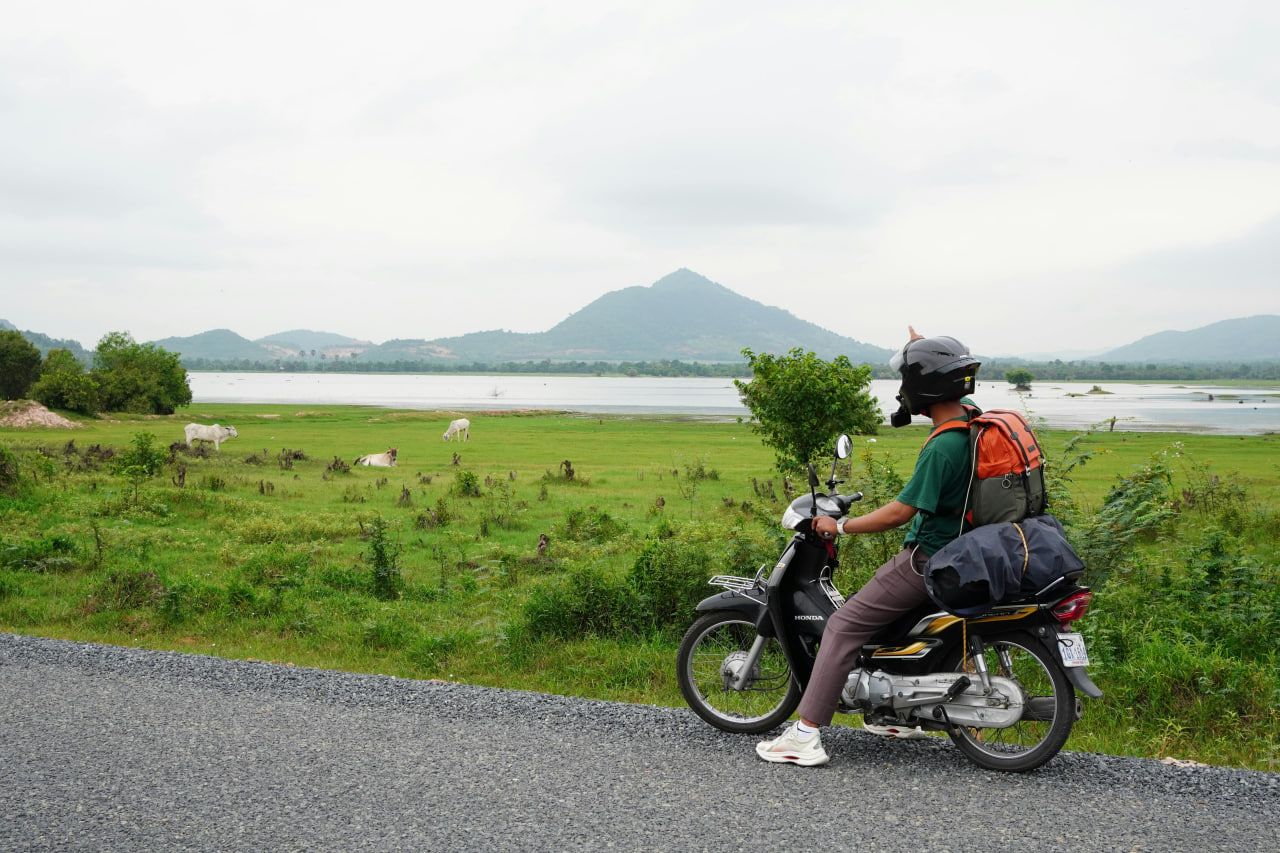
Cambodia’s tropical climate is characterized by two distinct seasons, driven by the monsoons. The best time to move depends on whether you prioritize the most comfortable weather or lower rental prices.
| Season | Months | Weather Description | Temperature Range (Avg.) | Expat Considerations |
| Cool/Dry Season (Best Time) | November to February | Clear blue skies, low humidity, and the most pleasant weather. This is the peak tourist season. | 20°C – 30°C (Mid-70s to Mid-80s °F) | Best time to move. Ideal for settling in and exploring. Crowds are highest, and accommodation is at peak price. |
| Hot/Dry Season | March to Early May | Temperatures and humidity climb steadily. April is often the hottest month, making daytime activities taxing. | 30°C – 35°C+ (High-80s to Low-100s °F) | Expect high electricity bills due to constant A/C use. This heat often drives some expats to the coast/islands. |
| Wet (Monsoon) Season | Late May to October | High humidity, but temperatures are slightly moderated by daily rainfall. Rain is typically a heavy, short-lived downpour in the late afternoon/evening. | 25°C – 32°C (Mid-70s to Low-90s °F) | Good time to move to avoid peak season crowds/prices. Landscapes are lush and green. Flash flooding can be a temporary issue in Phnom Penh and other low-lying areas. |
Best Time to Settle: The ideal window is November to February. The weather is cool, dry, and comfortable, making house hunting, moving furniture, and exploring your new neighborhood much easier.
7. Community & Activity Examples
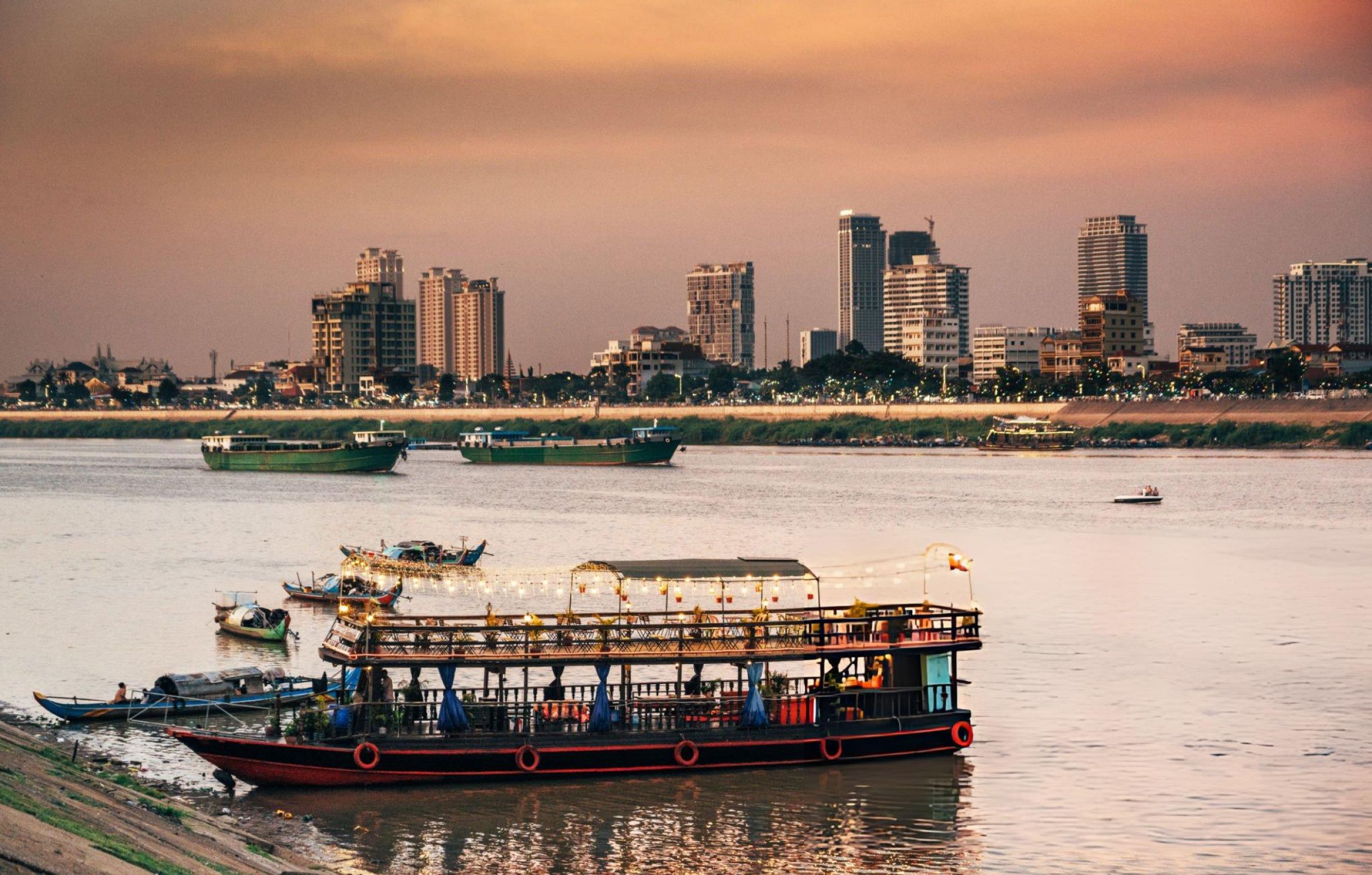
The availability and nature of community activities vary significantly by city. Phnom Penh and Siem Reap, with their established expat communities, offer the widest range of organized groups.
| Activity Category | Phnom Penh | Siem Reap | Sihanoukville / Kampot |
| Fitness and Yoga Studios | Excellent Selection. Numerous high-end gyms (The Place, SuperFit, Elite Fitness), specialized cross-fit, boxing (Paddy’s Fight Club), and diverse yoga studios (Nataraj, Kundalini Yoga) are available, particularly in BKK1. | Good Selection. More focused on local gyms and yoga centers. Several established spots catering to the calmer pace. | Limited/Local. Basic local gyms are available. Sihanoukville has fitness centers near its new condo areas. Kampot offers river-view yoga/retreats but fewer formal gyms. |
| Walking Groups / Running | Active. The Phnom Penh Hash House Harriers are very active. Walking/jogging is common along the riverfront (Riverside) and around popular parks. | Very Active. Easier to walk/cycle due to less traffic. Numerous groups organize sunrise runs around the Angkor temples (outside of peak hours). | Coast-Specific. Walking and running take place on the beaches. Kampot is excellent for scenic river walks and countryside cycling. |
| Cooking Classes | Diverse. Classes focusing on authentic Khmer cuisine, often incorporating a market visit. Also classes for Western, Thai, and vegetarian styles. | Excellent. A core tourist activity, meaning many high-quality Khmer cooking classes are available, often using fresh local produce. | Seafood/Local. Available, but typically focused on simpler, regional Khmer recipes and fresh seafood preparation (especially in Kep). |
| Volunteering | Highest Concentration. As the NGO and diplomatic hub, Phnom Penh has the most opportunities for retirees to lend professional or general skills to various causes. | Strong. Highly focused on education, children’s welfare, and historical preservation related to the temples. | Focused. Opportunities are more localized to community building and educational projects, especially in the smaller towns. |
| Arts and Culture Events | Year-Round Calendar. Regular art exhibitions, live music (jazz, folk, rock) at various bars, theater performances (Phnom Penh Players), and international film festivals. | Strong. Centered on traditional Khmer arts (Apsara dance), contemporary cultural performance (Phare, the Cambodian Circus), and crafts. | Minimal. Limited to occasional events hosted by local expat-run venues. Focus is often on nightlife and dining. |
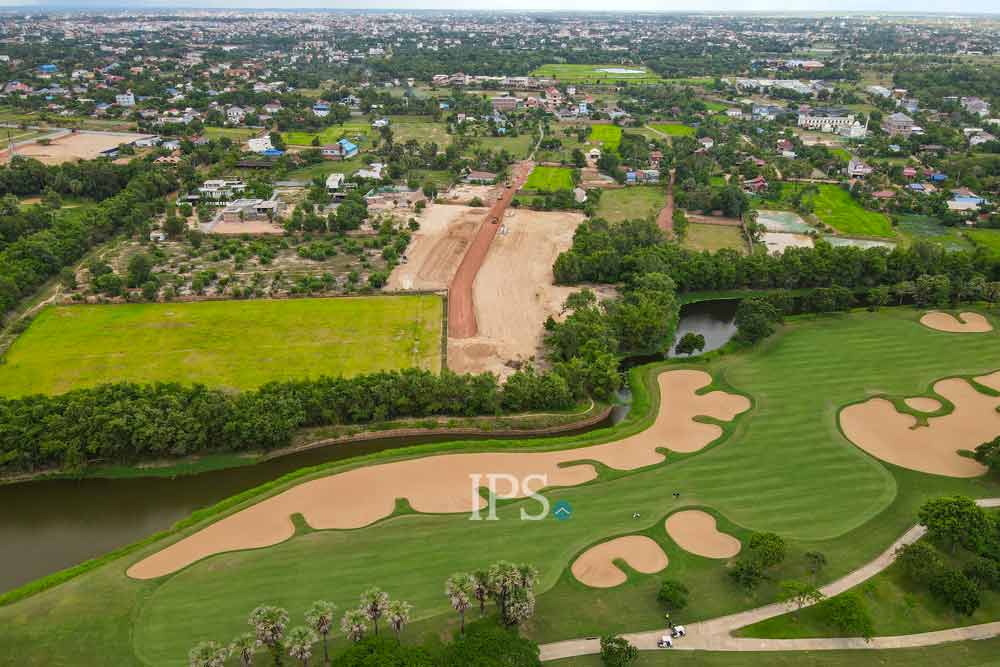
| Golfing | Available. Access to several quality international-standard golf courses, such as Garden City Golf Club, located on the outskirts of the city. | Excellent. Siem Reap is often seen as the primary golf destination, boasting premier courses like the Angkor Golf Resort (designed by Sir Nick Faldo). | Minimal/None. Golf is not a core activity in these areas. |
Key Note: Cambodia has been officially named Asia Pacific Golf Destination of the Year 2025 in the 25th annual IAGTO Awards, held during the 11th Asia Golf Tourism Convention (AGTC) in Danang, Vietnam. The award, voted by over 700 IAGTO members including international golf tour operators, highlights Cambodia’s rise as a global golf destination, combining international-standard courses with the country’s cultural heritage and warm hospitality.
8. Property Ownership for Foreigners (Guidance from IPS Cambodia)
Regarding properties in Cambodia, foreigners face restrictions on owning land directly, but secure and legal options exist for residential property ownership.
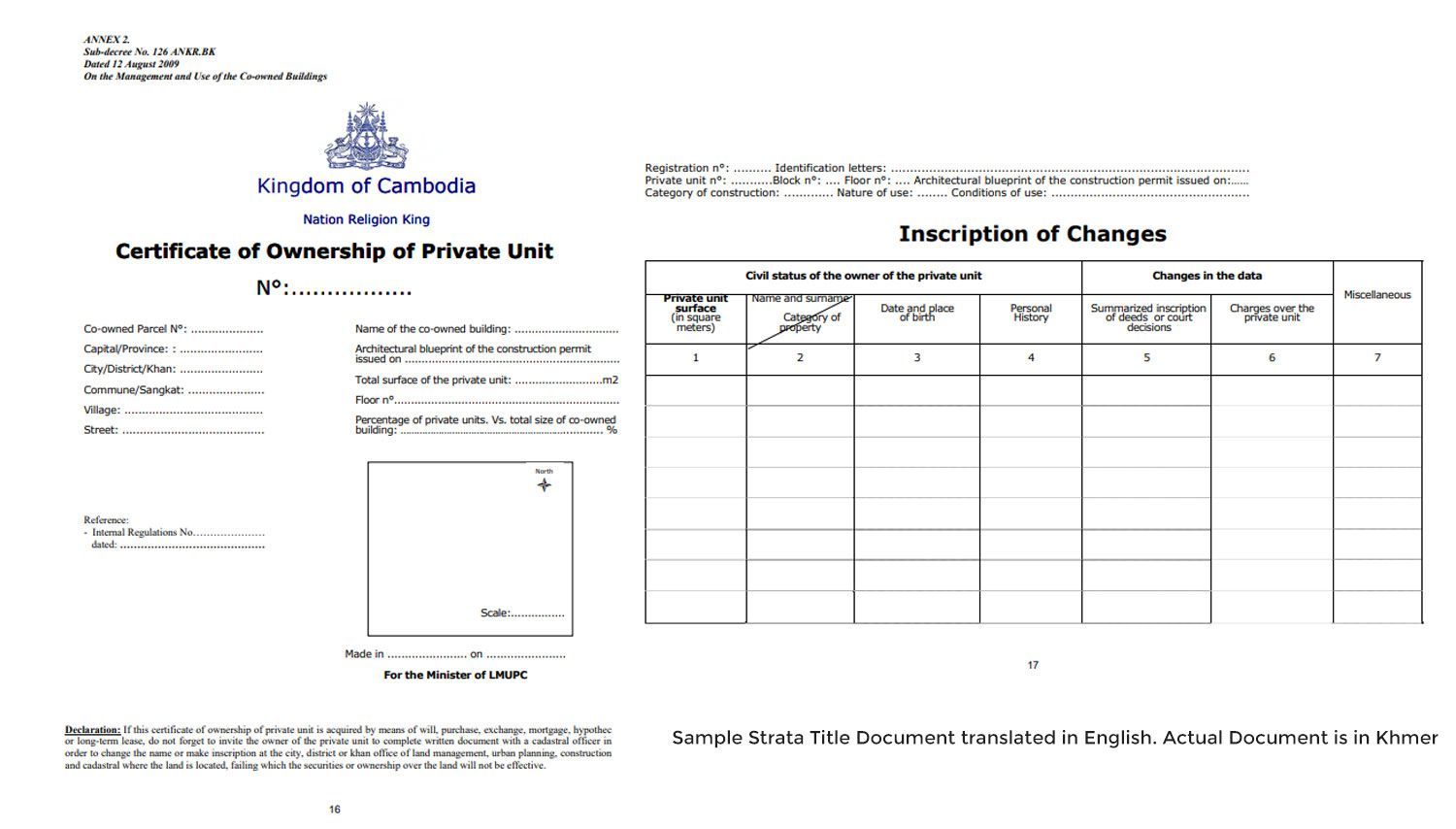
- Strata-Title Condominiums: This is the most common and straightforward path. Foreigners can legally own units in co-owned buildings (condos) above the ground floor with a freehold hard title.
- Landed Property (Villas/Houses): Foreigners cannot hold land in their own name. IPS Cambodia offers secure, legal solutions for control and use of landed property:
- Trust Holding: A modern and secure option under Cambodia’s 2019 Trust Law.
- Long-Term Leasehold: Securing the property via a long-term lease, typically 15 to 50 years, which is renewable.
- Nominee Structure: A cost-effective option where a trusted Cambodian Nominee holds the property title, while the foreign buyer secures full control through a professionally prepared security package (Mortgage, Loan, and Lease Agreements). This structure is widely used in Cambodia, and IPS Cambodia can assist clients by arranging a reliable Nominee and ensuring all documents are properly drafted for strong protection.
- Land Holding Company (LHC): A foreigner establishes a private limited company registered in Cambodia. Legally, the company must be 51% owned by Cambodian citizens and 49% by the foreigner(s). Because the company is a Cambodian legal entity, it has the right to own land and ground-floor properties outright.
Quick Checklist Before You Move
- Visa: Secure your E-class visa on arrival, not a Tourist (T) visa.
- Insurance: Purchase international health insurance with medical evacuation.
- Trial Period: Rent a property for 6–12 months first to test neighborhoods and confirm your budget.
- Money: Open a local bank account (ABA Bank is popular) upon arrival for day-to-day spending and to avoid high foreign ATM fees.
FAQs
Yes, Cambodia is an excellent choice for a specific type of retiree. It offers an exceptionally low cost of living, a welcoming culture, a large expat community (especially in Phnom Penh and Siem Reap), and a very easy, non-restrictive visa process (the ER Retirement Visa). However, retirees must be adaptable and comfortable with the lower standard of local infrastructure and limited high-end local healthcare.
A single retiree can live comfortably on a modest budget. The estimated budget ranges from $800 USD (budget-friendly) to $1,500 – $2,000 USD (comfortable to luxury) per month, depending heavily on the cost of rent and the frequency of dining at Western-style restaurants.
Yes, foreigners can buy property in Cambodia, though ownership works a bit differently than in some countries. While direct ownership of land (such as ground-floor houses or villas) isn’t permitted, foreigners can legally own strata-titled properties like apartments or condos above the ground floor. Trusted legal pathways also exist to secure landed properties, such as nominee arrangements, forming a Land Holding Company (LHC), establishing a Trust, or obtaining Cambodian citizenship.
Read our guide for more information about property ownership as a foreigner.
Cambodia is generally considered safe. Violent crime is extremely rare compared to the neighbor Bangkok where you can hear about terrorist bombing from time to time, and the people are very friendly. The main risk is petty crime like bag-snatching (especially from motorbikes) and pickpocketing in crowded tourist areas of Phnom Penh and Sihanoukville. Standard precautions (securing bags, avoiding flashing valuables) are highly recommended and often effective.
The ER Retirement Visa is a sub-category of the E-Class Ordinary Visa. It is designed for foreigners 55 years and older who are retired and have no intention of seeking employment in Cambodia. It is easily obtained and can be extended annually (for 12 months) from within the country without needing to show proof of a specific minimum monthly income.
Yes, absolutely. While it is not legally mandatory for the ER Visa, local public healthcare facilities are generally considered inadequate for complex medical issues. Expats rely on private local clinics for minor issues and often utilize international health insurance that covers medical evacuation or treatment in neighboring countries like Singapore or Vietnam for serious procedures.
It depends on your preference:
- Phnom Penh: Best for modern amenities, high-quality international dining, and top-tier healthcare.
- Siem Reap: Best for a peaceful, cultural atmosphere, low cost of living, and a strong sense of community.
- Kampot/Kep: Best for a tranquil, nature-focused, slow-paced retirement.
- Sihanoukville: Best for a coastal and beautiful beach life. Life is neither too fast nor too slow.
No. The ER (Retirement) Visa is strictly for those who are retired. To legally work or run a business, you must apply for an EB (Business) Visa and obtain a valid work permit.
