
Every year, people arrive in Siem Reap with the same idea.
“I’ll start something.”
A café. A small hotel. A bar. A tour company.
It sounds simple. The city feels welcoming. The lifestyle is appealing. And compared to other countries, getting started here seems more accessible.
But what most people don’t realize is this:
Starting from scratch is not always the smartest way in.

Why This Question Matters More in 2026
Siem Reap is no longer in a “wait and see” phase.
Cambodia recorded around 6.7 million international visitors in 2024, before easing to approximately 5.5 million in 2025, based on data from the Ministry of Tourism Cambodia.
At first glance, that looks like a setback.
But the numbers point to something more specific: The recovery is real, just not guaranteed.
After a strong post-pandemic surge in 2024, the slight drop in 2025 reflects a mix of factors. Tourism momentum slowed across parts of the region, and late-year border tensions with Thailand also affected travel flows into Cambodia.
In other words, demand didn’t disappear.
It became more selective.
And that matters.
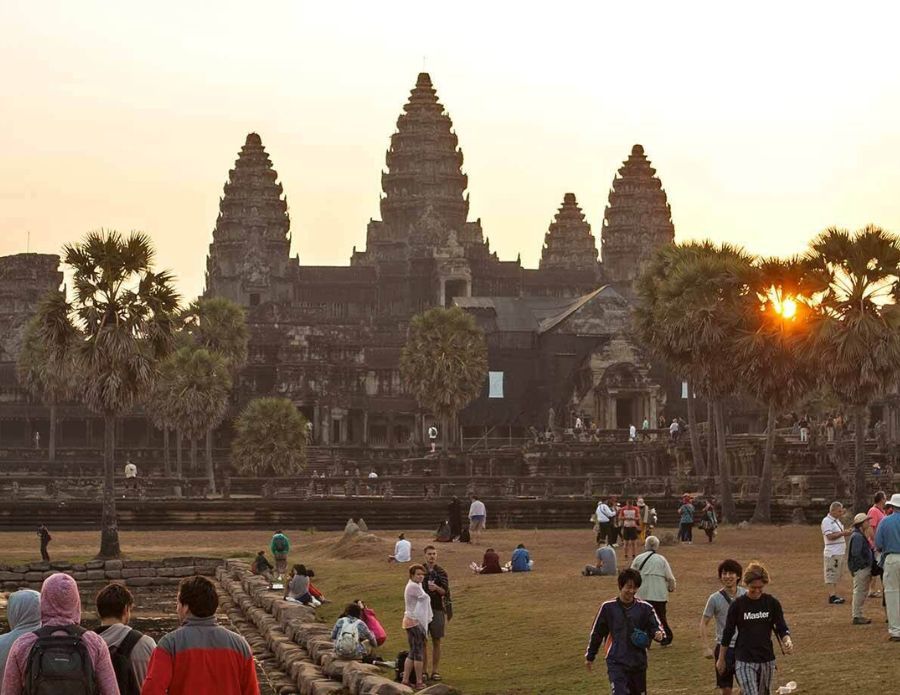
At the center of this is Angkor Wat, which continues to drive consistent visitor flow into Siem Reap, attracting close to one million international visitors in 2025.
Access into the city is also improving.
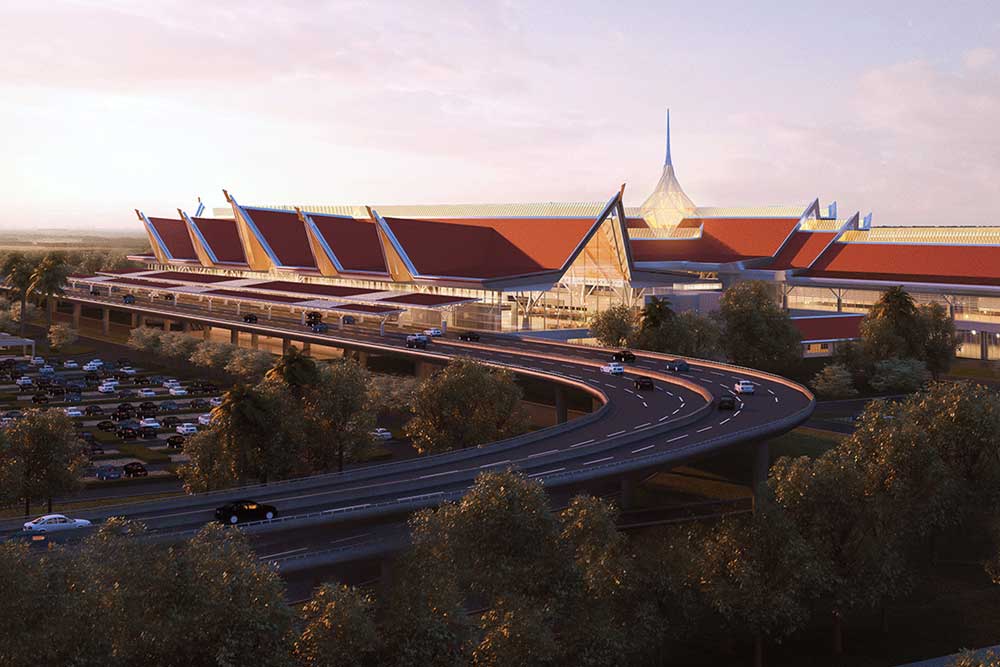
Siem Reap’s new international airport has expanded regional connectivity, with direct flights linking the city to key destinations across Asia. Even in a softer year, over 670,000 passengers arrived by air in 2025, showing steady movement into the market.
But here’s what’s changed:
This is no longer a market driven by easy demand.
- Visitors are more intentional with where they spend
- Competition between businesses is tighter
- And location, concept, and cost structure matter more than before
At the same time, beyond short-term tourists, Siem Reap is also seeing growing interest from longer-stay residents, remote workers, and lifestyle-driven movers looking for a lower-cost base in the region.
So the opportunity is still there.
But the gap between a business that “opens” and one that actually works is getting wider.
And that’s exactly why how you enter the market matters more than ever.
3 Ways to Enter the Business Scene in Siem Reap
If you’re looking to operate a business here, there are three ways to do it and each one comes with a very different level of risk, cost, and control.
1. Own the Property and Run the Business
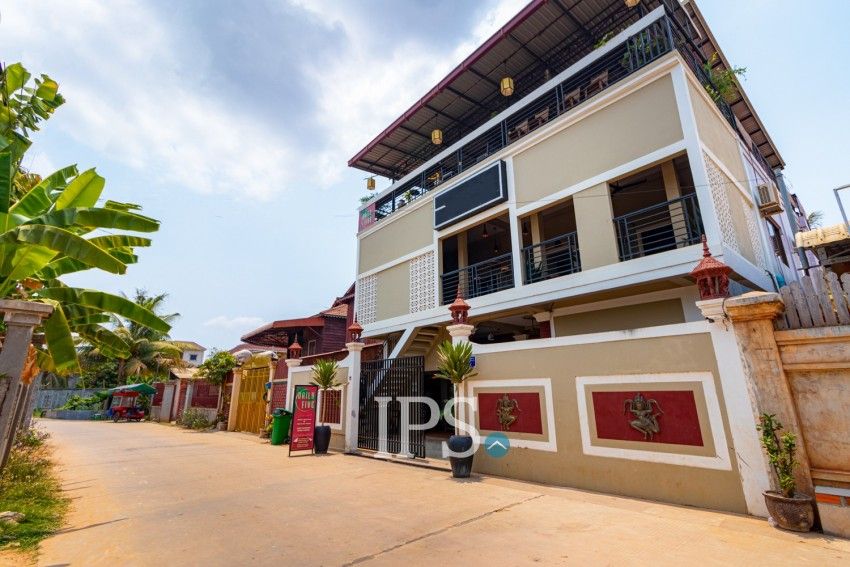
This is the most capital-heavy option, but also the most stable. You purchase land and a building, and operate your business on it.
What you gain:
- Long-term control over your location
- No monthly rental pressure
- Capital growth on the property itself
What to consider:
- Higher upfront investment
- For foreign buyers, this means choosing the right method of property ownership (typically through a nominee structure, land holding company, trust set-up, 100-year lease structure)
This option is usually preferred by those thinking long-term, not just about running a business, but also about building an asset.
2. Buy an Existing Business
This is often overlooked, but in many cases, it’s the most practical way to enter the market.
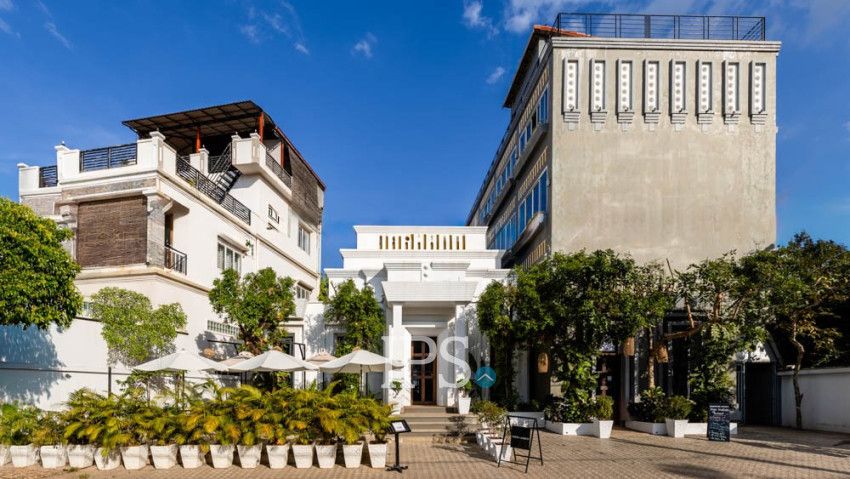
Instead of starting from zero, you take over:
- An existing lease
- A running operation
- A customer base
- Online presence and reviews
- Furniture, equipment, and setup
But here’s where it gets interesting:
Some businesses are valuable not because of the brand… but because of the lease.
Older lease agreements, signed years ago, often come with rental rates that are no longer available today. That alone can make a business significantly more profitable from day one.
What you gain:
- Immediate operations
- No need to build from scratch
- Faster path to revenue
What to consider:
- The quality of the existing business
- Lease terms and remaining duration
- Whether the current performance is sustainable
For many investors, the goal is simple:
Recover the purchase cost within the first 1–2 years.
3. Start Your Own Business (Rental Setup)
This is what most people think of first.
You rent a space, build your concept, and launch from scratch.
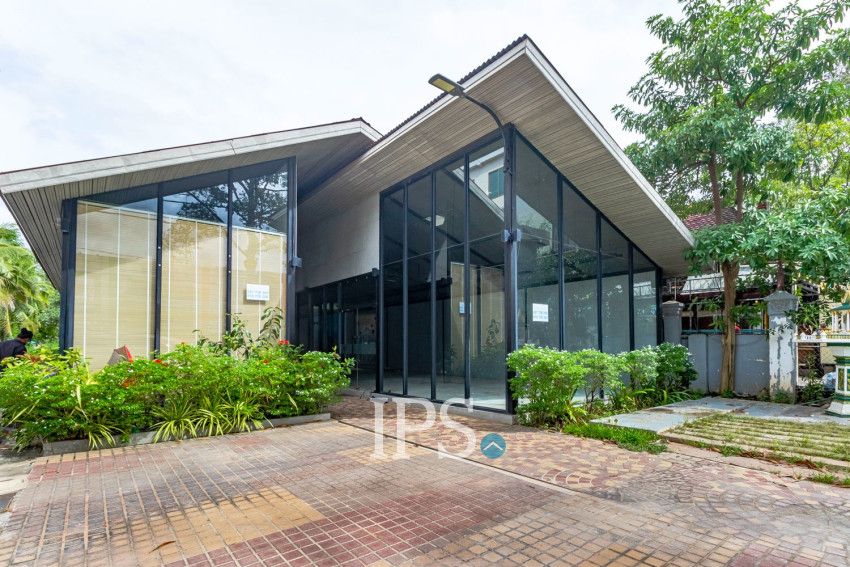
What you gain:
- Full creative control
- Lower upfront cost compared to buying property
- Flexibility to test ideas
What to consider:
- Lease deposits can still be significant (often several months upfront)
- You’re starting with zero reputation
- Time to build a customer base
- Renovation and setup costs
And most importantly:
You carry all the early-stage risk.
So… What Actually Makes Sense in 2026?
There’s no single answer. But there is a clear pattern.
- If you have strong capital and long-term plans → Owning the property gives you the most stability
- If you want a faster, more practical entry → Buying an existing business often makes more sense
- If you’re testing an idea or working with a tighter budget → Starting from scratch can work, but comes with higher risk
What’s changed in 2026 is this:
The market is less forgiving than before.
Good concepts still do well.
But average concepts struggle to survive.
The Mistake Most New Business Owners Make
Most people focus on the wrong question:
“What business should I start?”
Instead of asking:
- Is the location right?
- What are the lease terms?
- Is there existing demand here?
- How long can I operate before turning a profit?
In Siem Reap, these factors matter more than the concept itself.
What Smart Operators Do Differently
The difference isn’t the idea.
It’s how they enter.
Most successful business owners in Siem Reap don’t start with a concept.
They start with an opportunity.
- A location with proven foot traffic
- A lease that makes sense long-term
- Or an existing setup they can improve, not build from zero
Then they shape the business around that.
Not the other way around.
Because in a market like Siem Reap, execution is everything.
A great idea in the wrong setup struggles.
A simple idea in the right setup works.
If you’re exploring business or property opportunities in Siem Reap and need a bit of guidance, our IPS Siem Reap team can help you navigate the options.
Browse commercial properties in Siem Reap or Contact Us
