
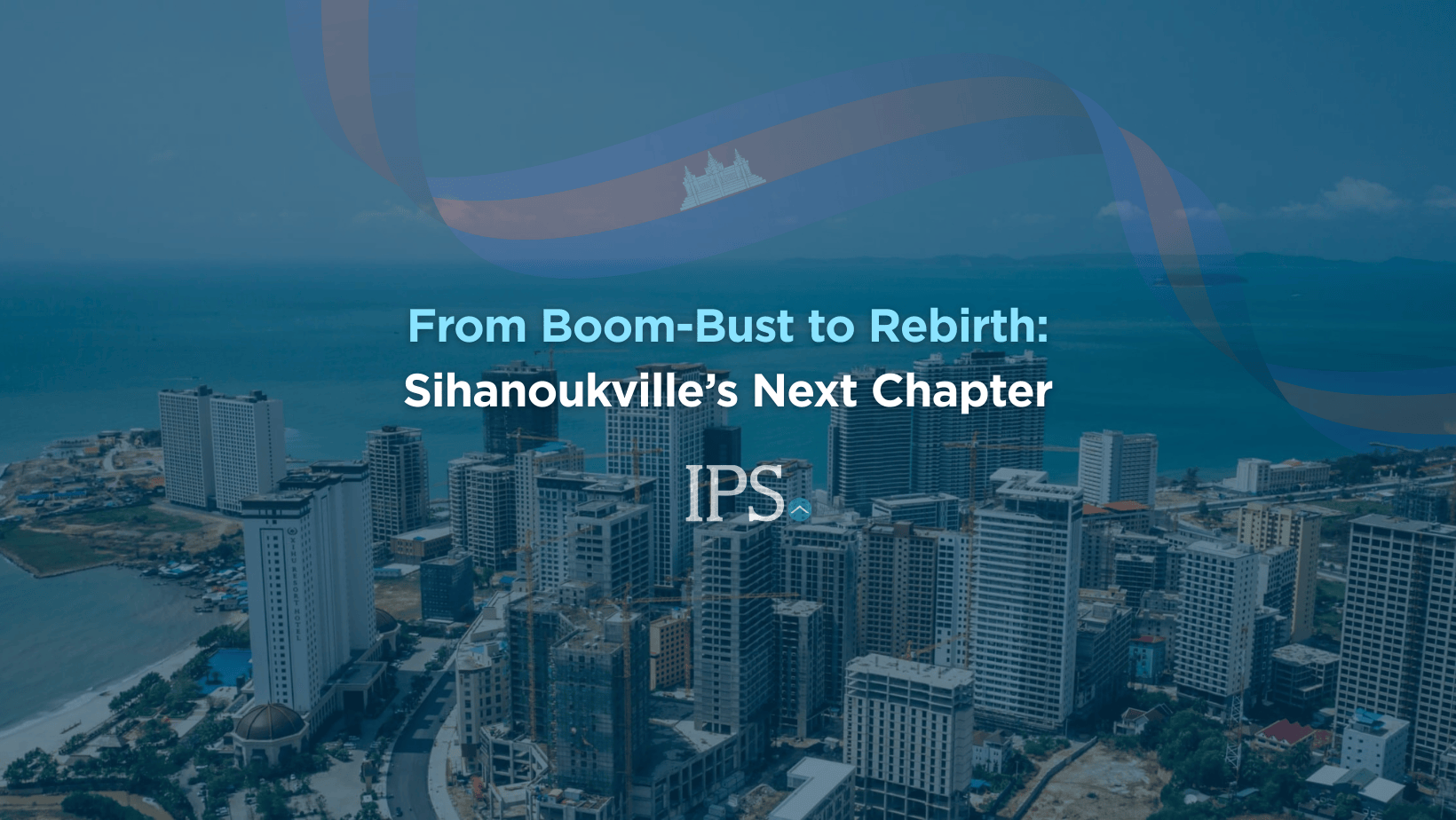
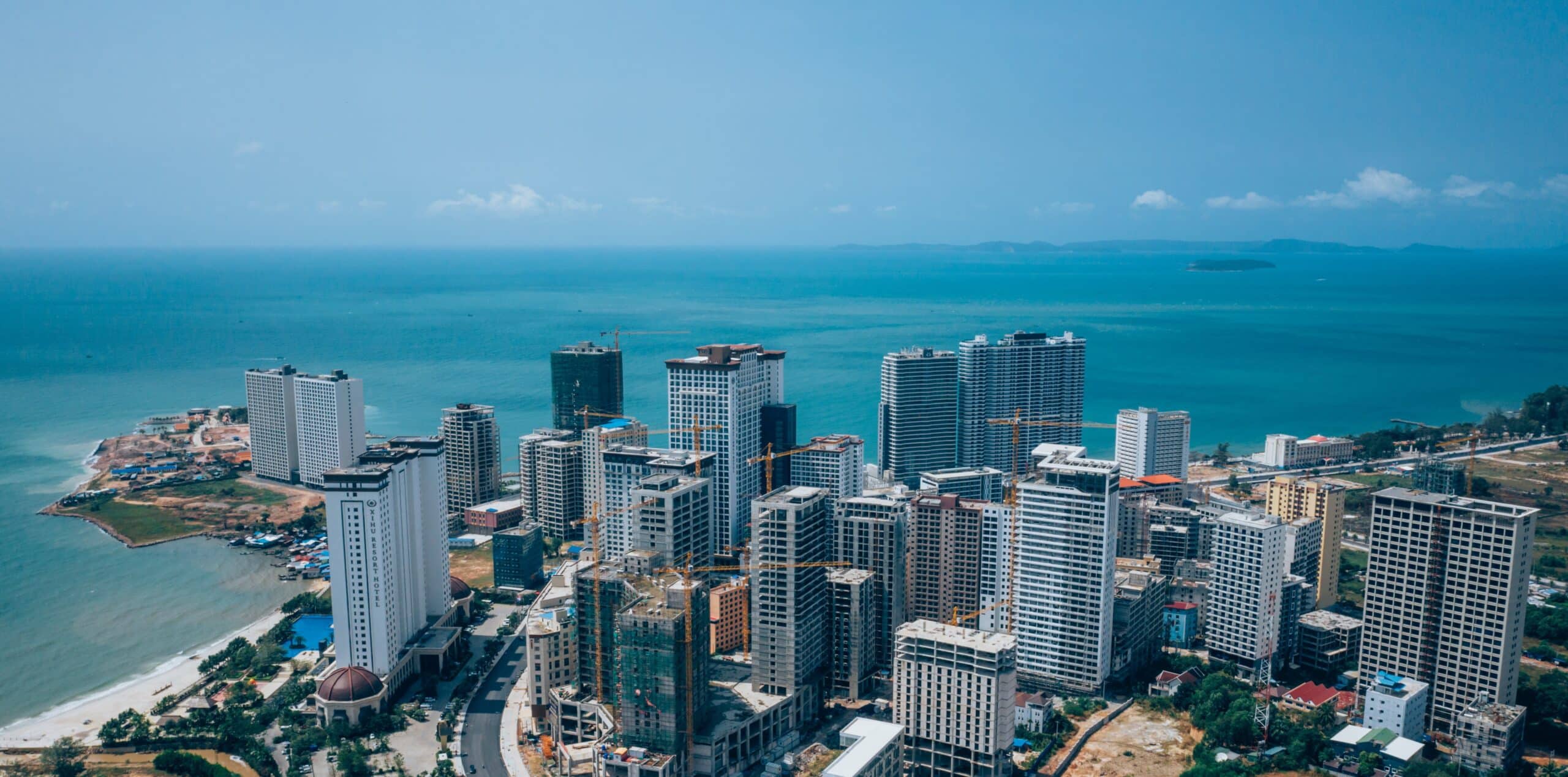
For years, Sihanoukville carried the weight of its own reputation. It rose almost overnight, shaped by casinos, rapid construction, and an influx of foreign capital. Then the momentum collapsed. Towers stalled. Streets emptied. The once energetic skyline became a reminder of what could have been.
But Sihanoukville today tells a different story.
What is happening now is not another hype-driven boom. It feels more grounded, supported by long-term planning, infrastructure upgrades, and developers who are building with purpose. For anyone watching the coastal city closely, the shift is becoming clear.
A Turning Point Built on Planning, Not Hype
The rebirth of Sihanoukville is the result of clearer direction and coordinated development.
The government’s strategic Preah Sihanouk Multi-Purpose SEZ Master Plan (2025–2038) gives the province a structured roadmap that focuses on transforming the province into a diversified hub encompassing: industrial clusters, logistics, tourism, services, affordable housing, and public amenities.
Confidence is returning, but in a more measured way, as evidenced by a consistent stream of project approvals. From 2024 through May 2025, a total of 297 projects—across new builds, stalled-project revivals, and expansions—got in-principle approvals, with a total investment value estimated at over US$7.03 billion. Furthermore, the government recently approved 19 new investment projects (7 previously stalled, 12 new) worth a combined US$276 million in late November 2025, expected to generate nearly 2,000 local jobs.
Developers, investors, and policy makers are focusing on long-term fundamentals rather than short bursts of activity. This commitment is centered around:
-
Long-term fundamentals
-
Measured activity
On the ground, the change is visible.

New Projects Are Moving Again
IPS was present for two recent groundbreakings that reflect this new stage of progress.
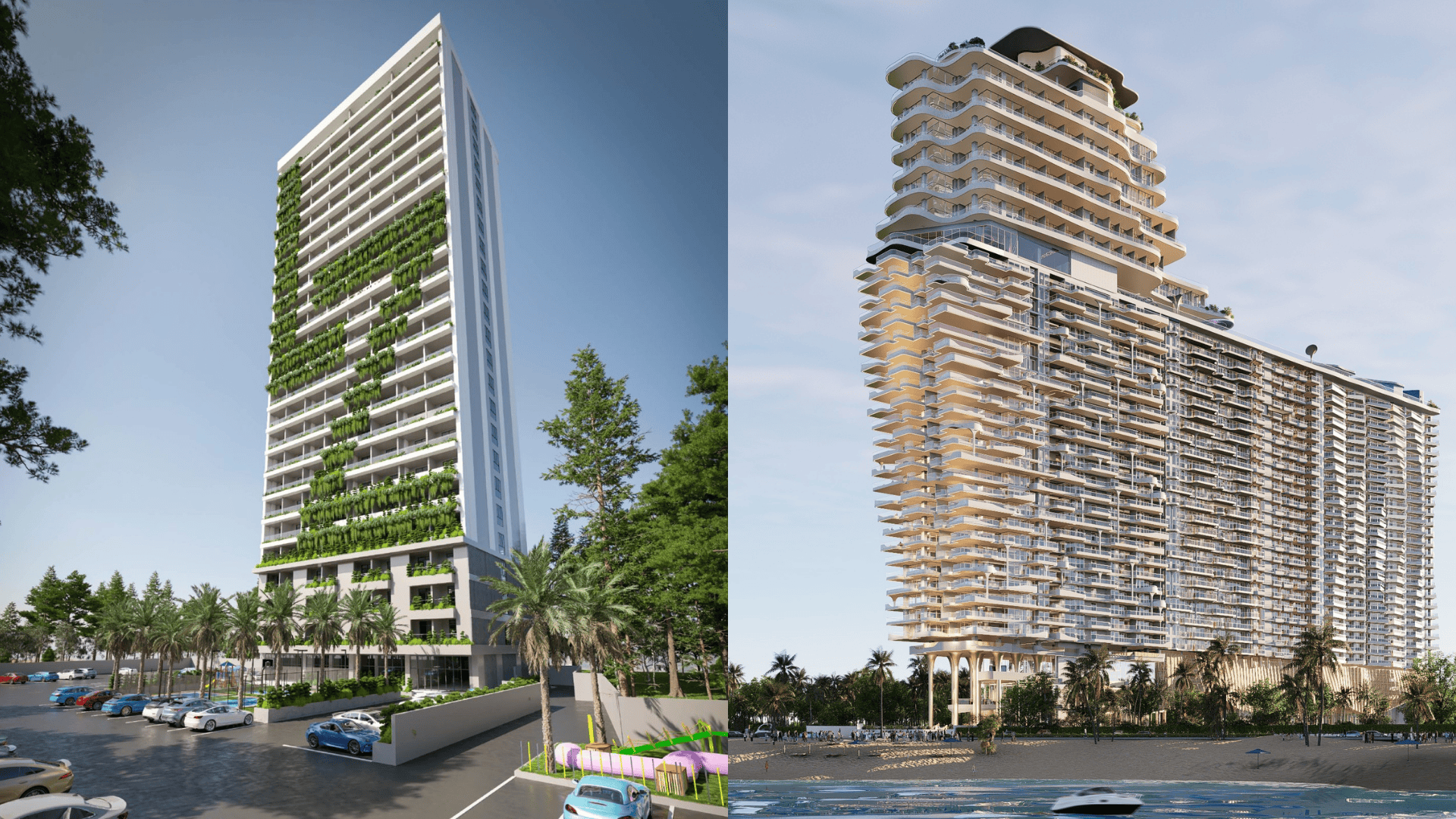
- Time Square 10: A beachfront adjacent development that presents a modern residential option for local and regional buyers. Its groundbreaking represents renewed confidence in Sihanoukville’s lifestyle market. This is a shift away from casino-focused construction and toward livable, community-oriented spaces.
- LZ Seaview Premium: Another project is now officially underway, bringing fresh residential supply to Sihanoukville with a better understanding of what today’s market wants. Its launch reinforces the idea that developers are returning with clearer intentions and a commitment to long-term delivery.
Active construction, cranes in motion, and developers restarting large projects are some of the strongest indicators that Sihanoukville is entering a new cycle.
A Healthier Market Than Before
The earlier boom was driven by speculation. Prices climbed rapidly. Demand centered heavily around casinos. Much of the development catered to short-term profit rather than sustainable growth.
This new chapter looks different.
What has changed:
- Prices are far more realistic compared to the peak casino years
- Buyers are value driven and focus on build quality, management, and location
- Developers are creating residential projects with end users in mind
- Infrastructure around the port and logistics zones is strengthening long-term fundamentals
The combination of a healthier pricing environment and improving infrastructure puts Sihanoukville in a correction window where entry costs are attractive, but growth drivers are already active.
A Province That Is Evolving, Not Just Recovering
Over the next five years, Sihanoukville is expected to transform on multiple fronts.
-
Port expansion and connectivity improvements at the Sihanoukville Autonomous Port (PAS) are ongoing as part of upgrades to strengthen the city’s port and logistics capacity, signaling Sihanoukville’s pivot back toward trade, shipping, and industry—not just tourism or hotels.
-
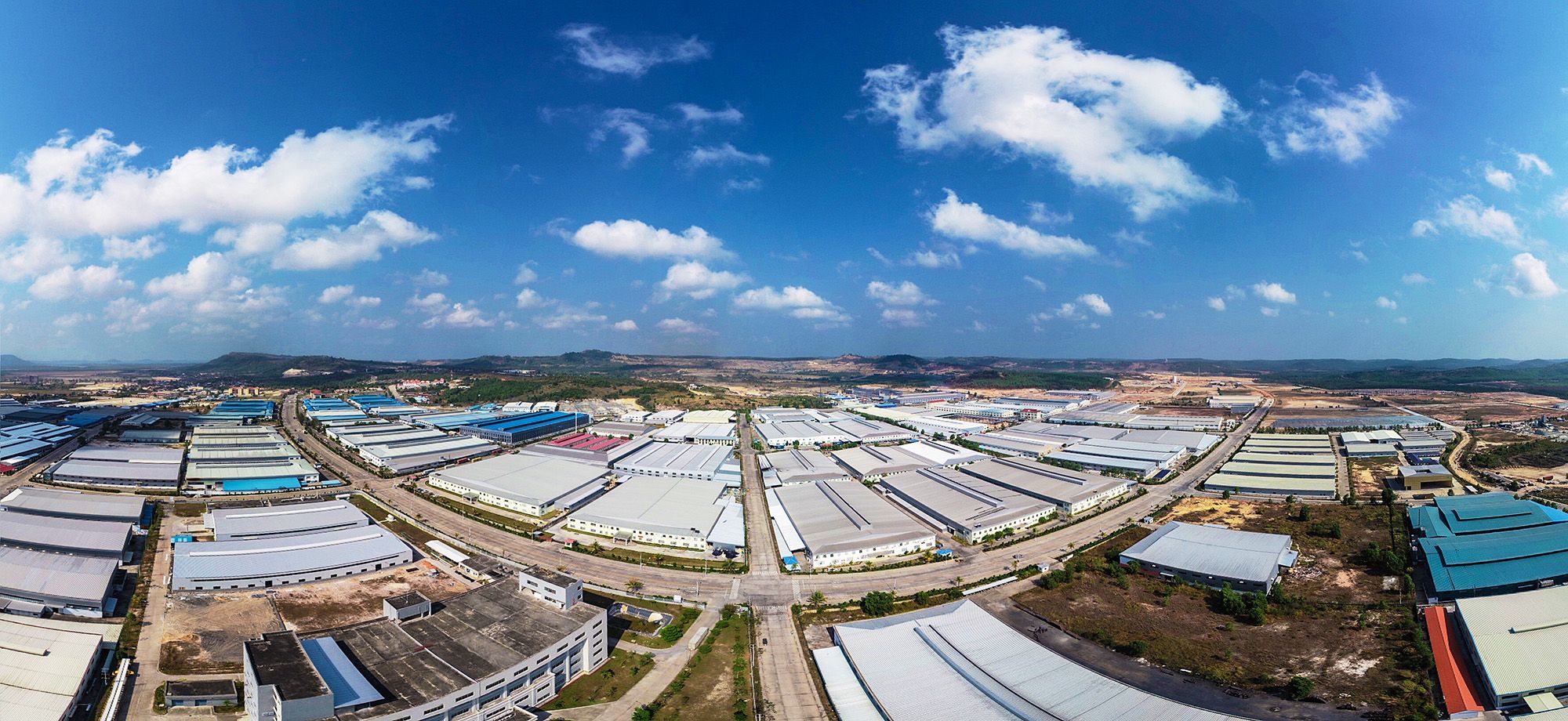
SEZ growth is drawing a more stable population and long-term employment
-
Tourism upgrades aim to diversify and modernize the visitor experience
-
Mixed-use and residential projects are shifting toward lifestyle driven models
-
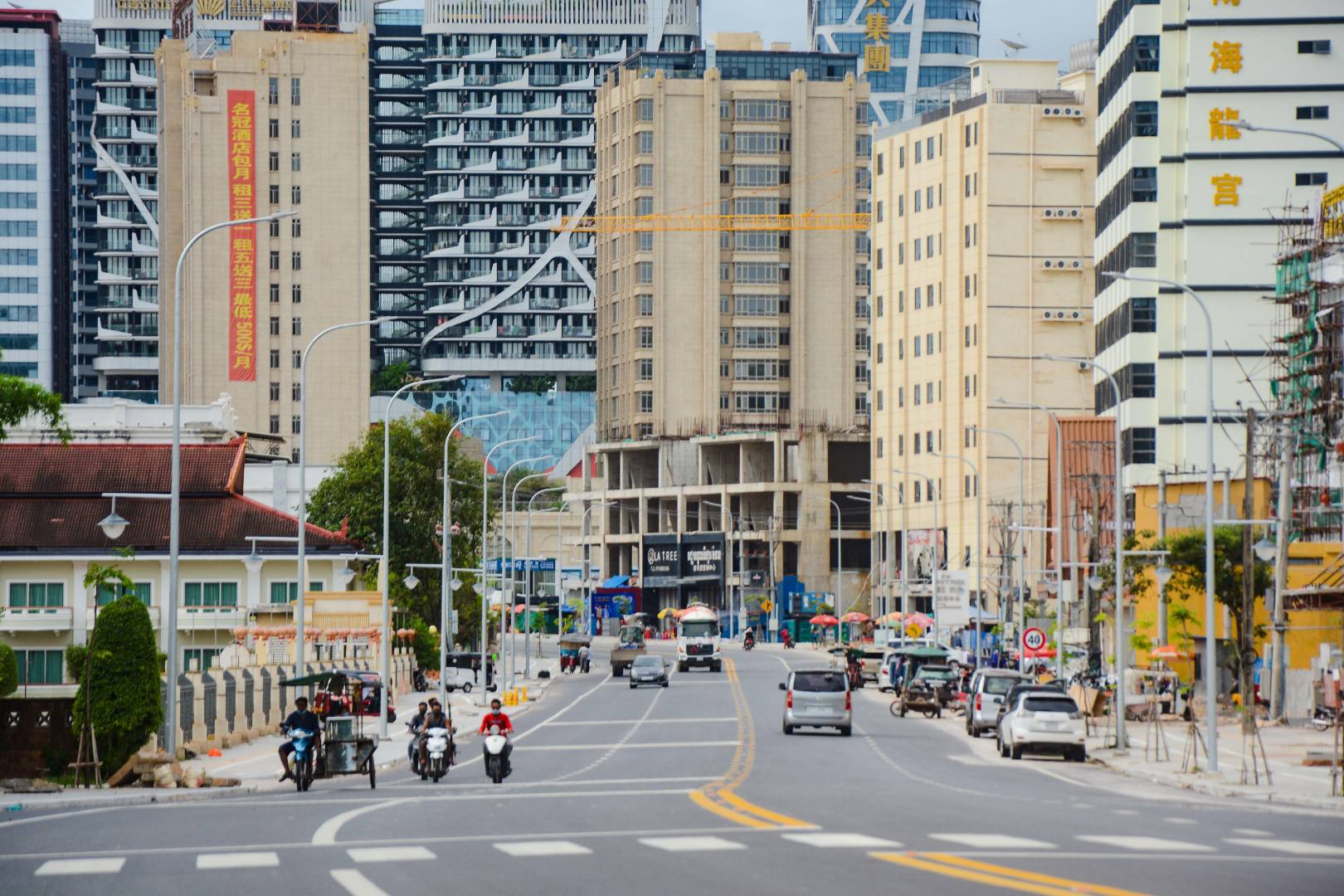
Public infrastructure upgrades are improving connectivity, drainage, utilities, and main roads
The city is not trying to return to what it once was. It is moving toward a more balanced identity that blends logistics, tourism, and modern coastal living, driven by the strategic Preah Sihanouk Multi-Purpose SEZ Master Plan.
Opportunities for Smart and Early Movers
While the recovery is promising, this phase still rewards careful decision making.
Buyers and investors should focus on:
- Developers with proven delivery
- Projects that are actively building or showing clear progress
- Locations connected to upgraded roads, beaches, or SEZ access
- Long-term appreciation potential rather than short-term rental promises
- Realistic expectations of rental yield as the market stabilizes
This is the moment where informed choices matter. The groundwork for growth is being laid now, before the wider market fully shifts.
A Cautious but Optimistic Outlook
Oversupply from past years still exists. Some older buildings may never regain traction. The success of the province relies on both public and private sectors continuing to deliver on their plans.
Even so, the momentum is moving in the right direction.
Sihanoukville’s story is no longer defined by a dramatic rise and fall. It is being rewritten into something more resilient. A coastal city that is taking its second chance seriously and shaping a smarter future for the long run.
IPS Cambodia continues to be on the ground, witnessing the shift firsthand and supporting clients as new opportunities emerge across Sihanoukville’s next chapter.
