

In some of Siem Reap’s outer neighbourhoods, where residential areas are growing faster than public services, household waste is still often burned or illegally dumped. For families living in these areas, this can mean smoke, pollution, and a lower quality of day-to-day living.
In Sra Nghae and Sambour communes, this has been a growing concern in recent years.
Now, something is changing.
IPS Siem Reap, together with 30 of our clients, has come together to support Siem Reap’s first Green Commune waste management program. Through this joint effort, FREE weekly rubbish collection is now being provided to 200 households across Sra Nghae and Sambour communes.
The goal is simple but meaningful: to reduce waste burning, stop illegal dumping, and create a cleaner, healthier place for people to live.
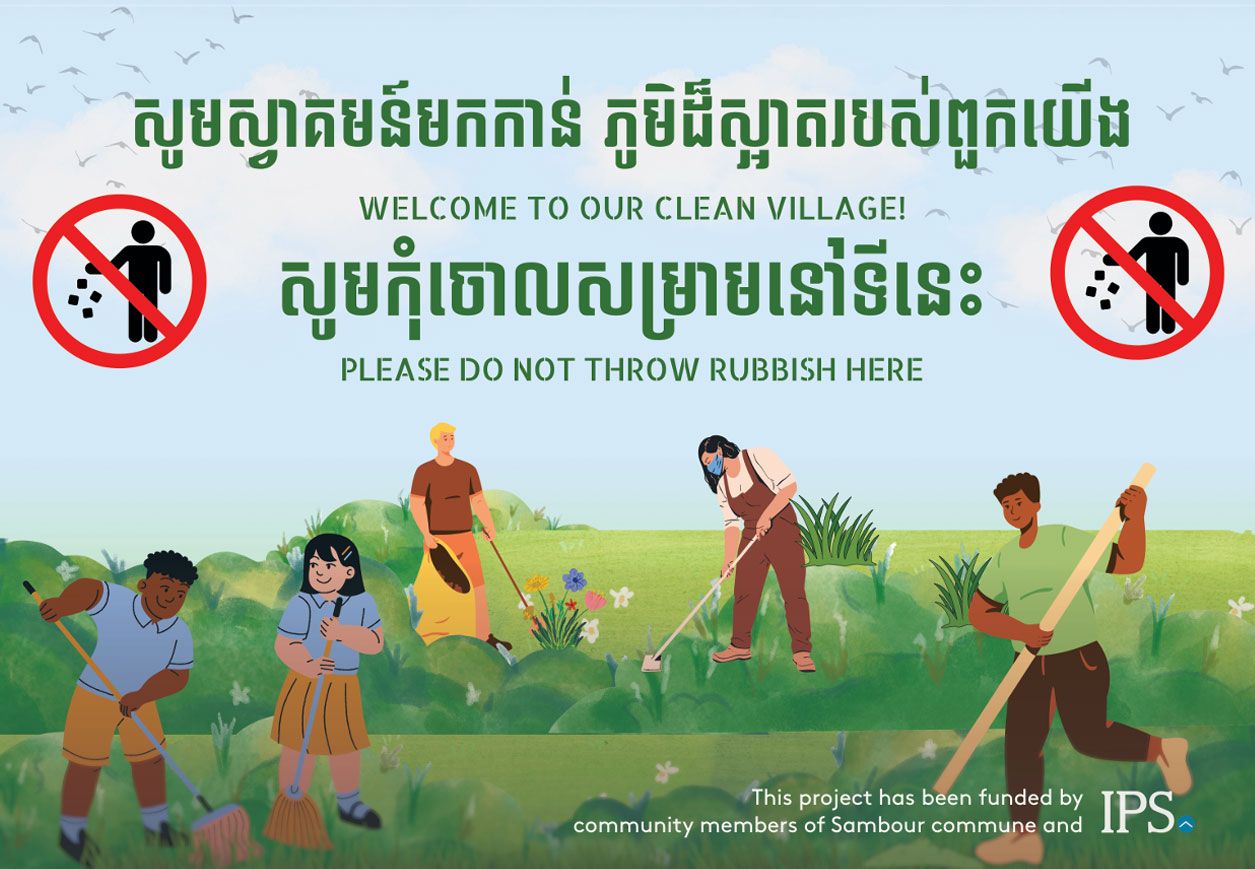
From awareness to action
The program began with conversations.
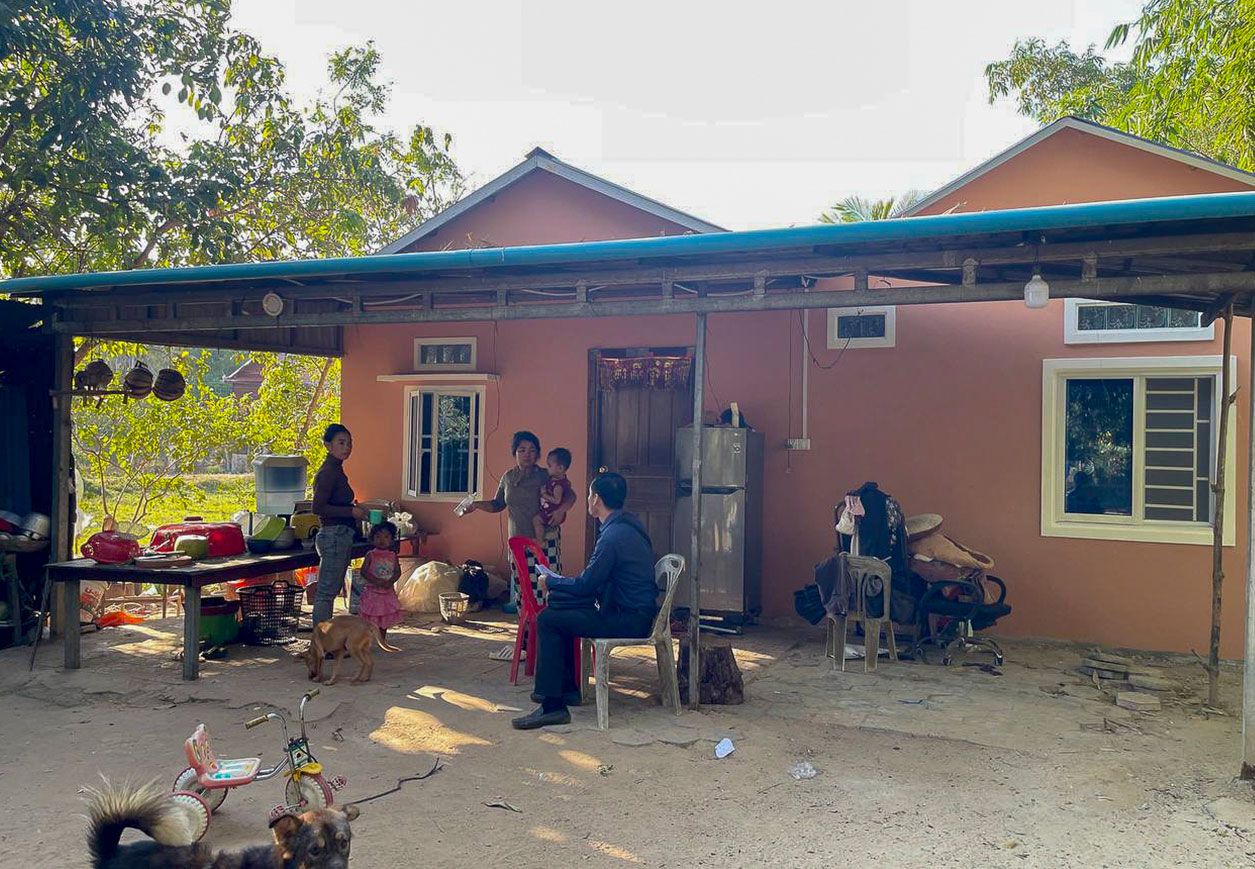
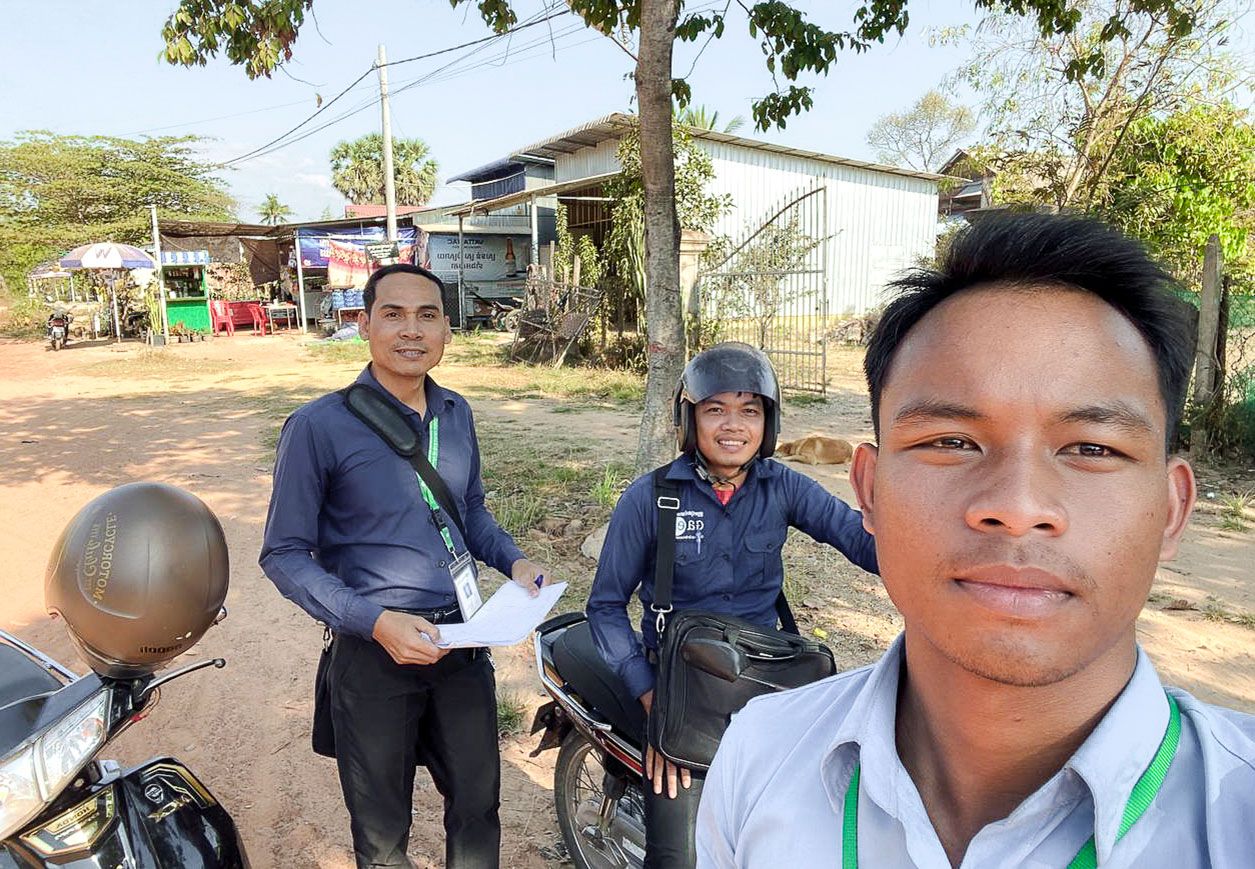
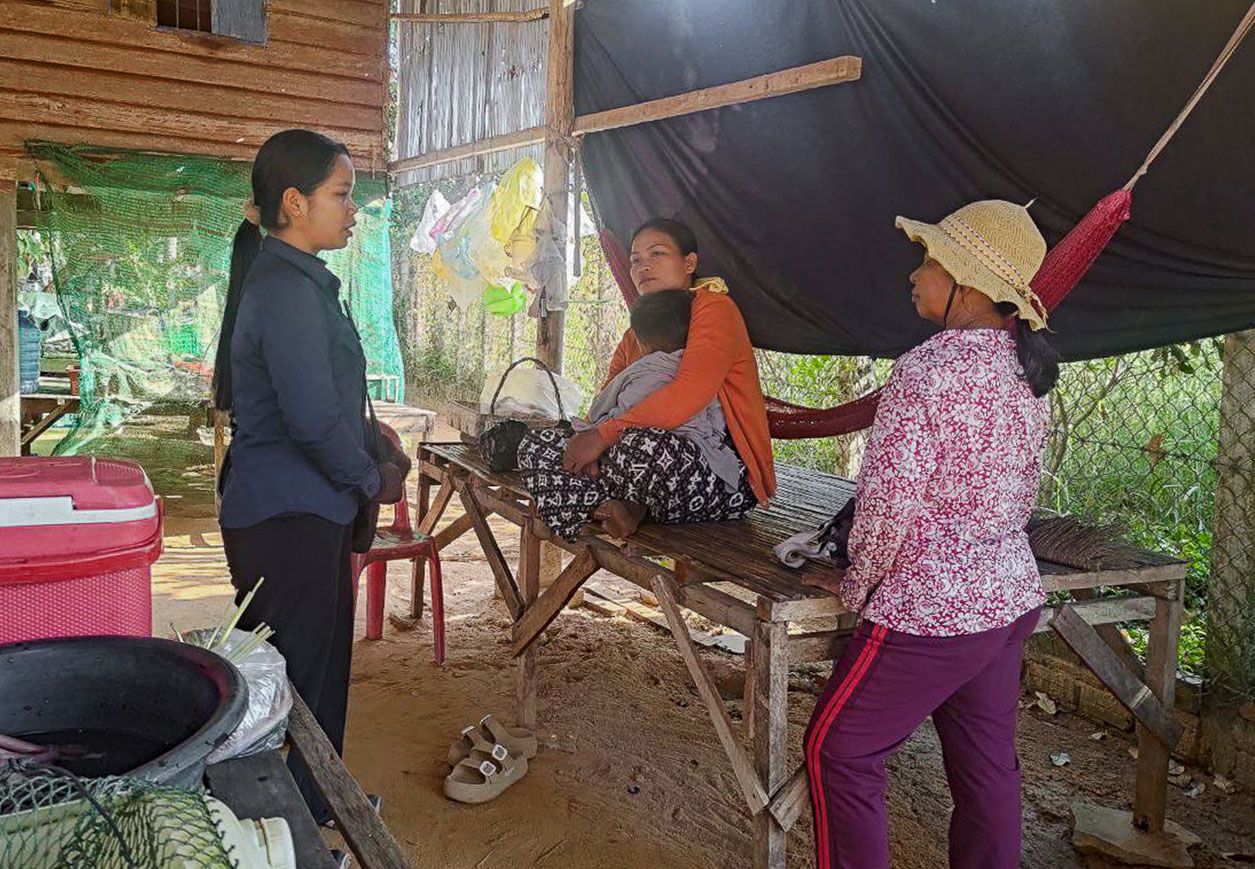
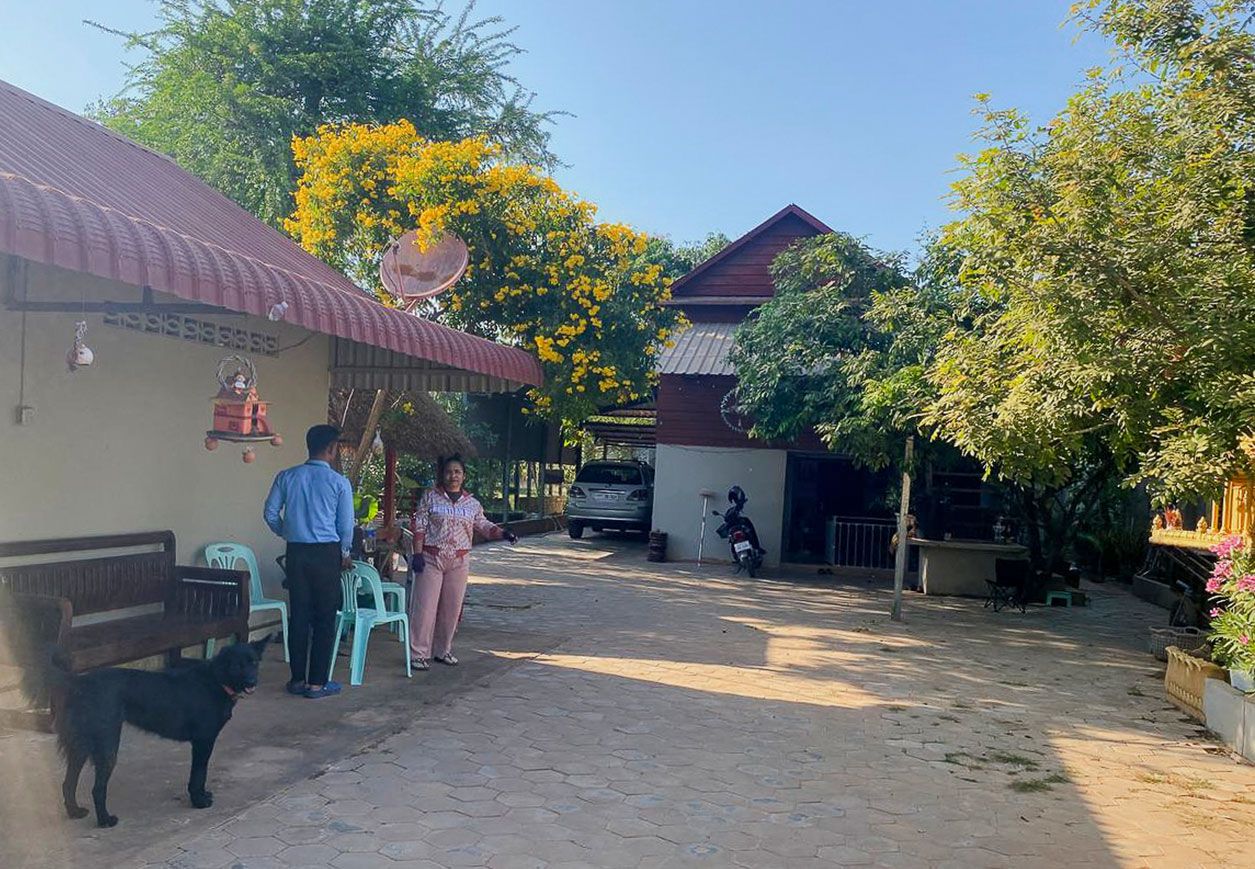
GAEA, Siem Reap’s professional waste management company, has been meeting with families, shop owners, and residents throughout the neighbourhood, explaining the health risks of burning household waste and how regular collection helps keep the air cleaner and streets safer.
For many people, it was the first time anyone had clearly explained what happens when plastic, food waste, and packaging are burned close to their homes. The smoke affects children, the elderly, and anyone living nearby, and over time it also damages soil and water.
Once residents understood the impact, the response was immediate. People want a cleaner place to live. They simply needed a practical system to make it possible.
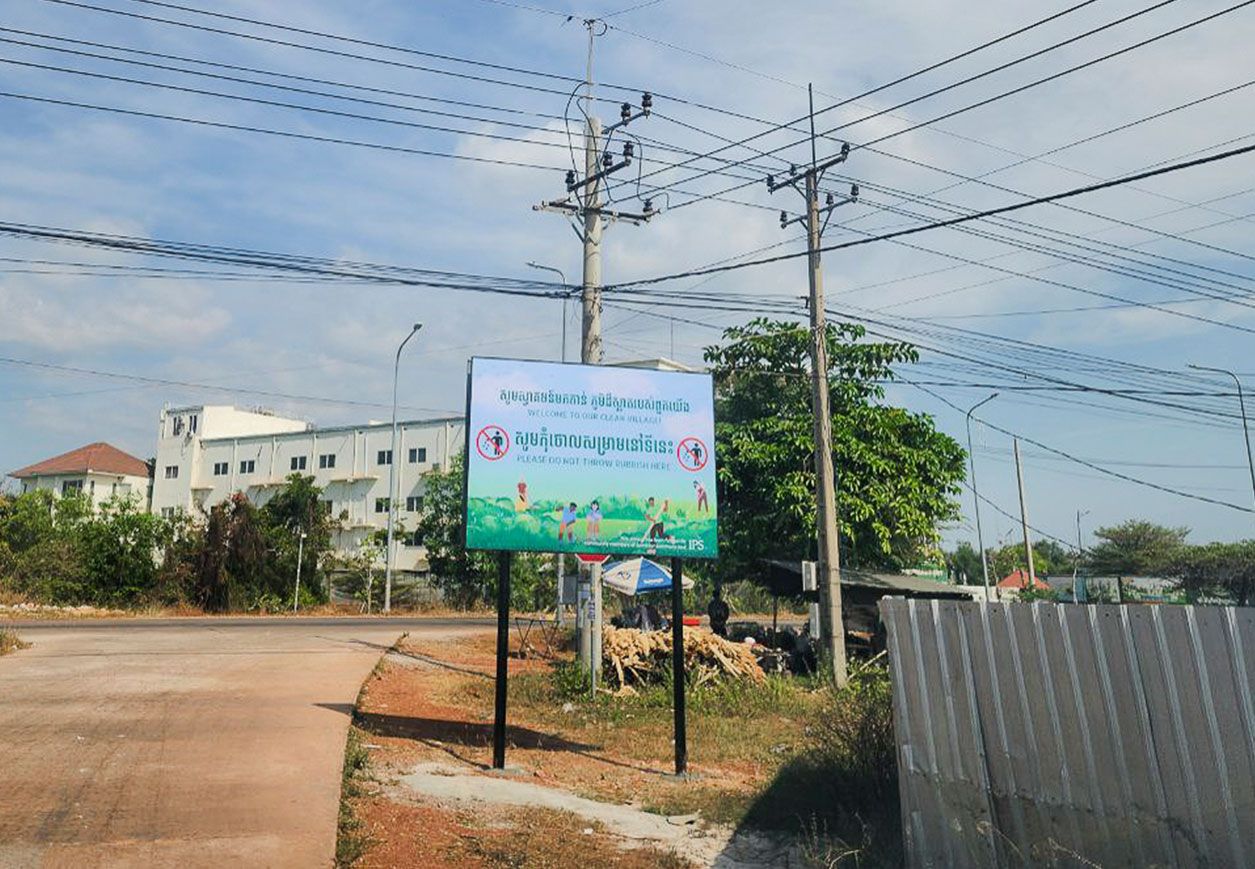
Investing in the places people live
For IPS, this project reflects a broader belief about real estate and community.
Healthy neighbourhoods create stronger cities. When waste is properly managed, air quality improves, streets stay clean, and families feel more comfortable in their surroundings. Over time, this also protects land value and supports better development.
That is why IPS and its clients chose to support this program together.
By funding weekly waste collection for 200 households, they are investing directly into the future of these communities. It is the same long-term thinking IPS applies when helping people buy, rent, and develop property across Cambodia.
A model for Siem Reap’s future
Sra Nghae and Sambour are only the beginning.
If successful, this Green Commune program can become a model for other areas of Siem Reap, showing how private businesses, local authorities, and residents can work together to improve everyday life at neighbourhood level.
For the families who live here, the impact is already clear. Cleaner air, safer streets, and a healthier place for children to grow up.
For Siem Reap, it is another step toward becoming a more liveable and well-managed city.
And for IPS and the clients who supported this project, it is a reminder that real estate is not only about buildings. It is about the neighbourhoods around them, the people who live there, and the kind of future we help shape together.
Program Kick-Off: On-the-Ground Impact
Jan 4, 2026 | The Green Commune initiative moved from planning into action with the first community clean-up across Sra Nghae and Sambour communes.
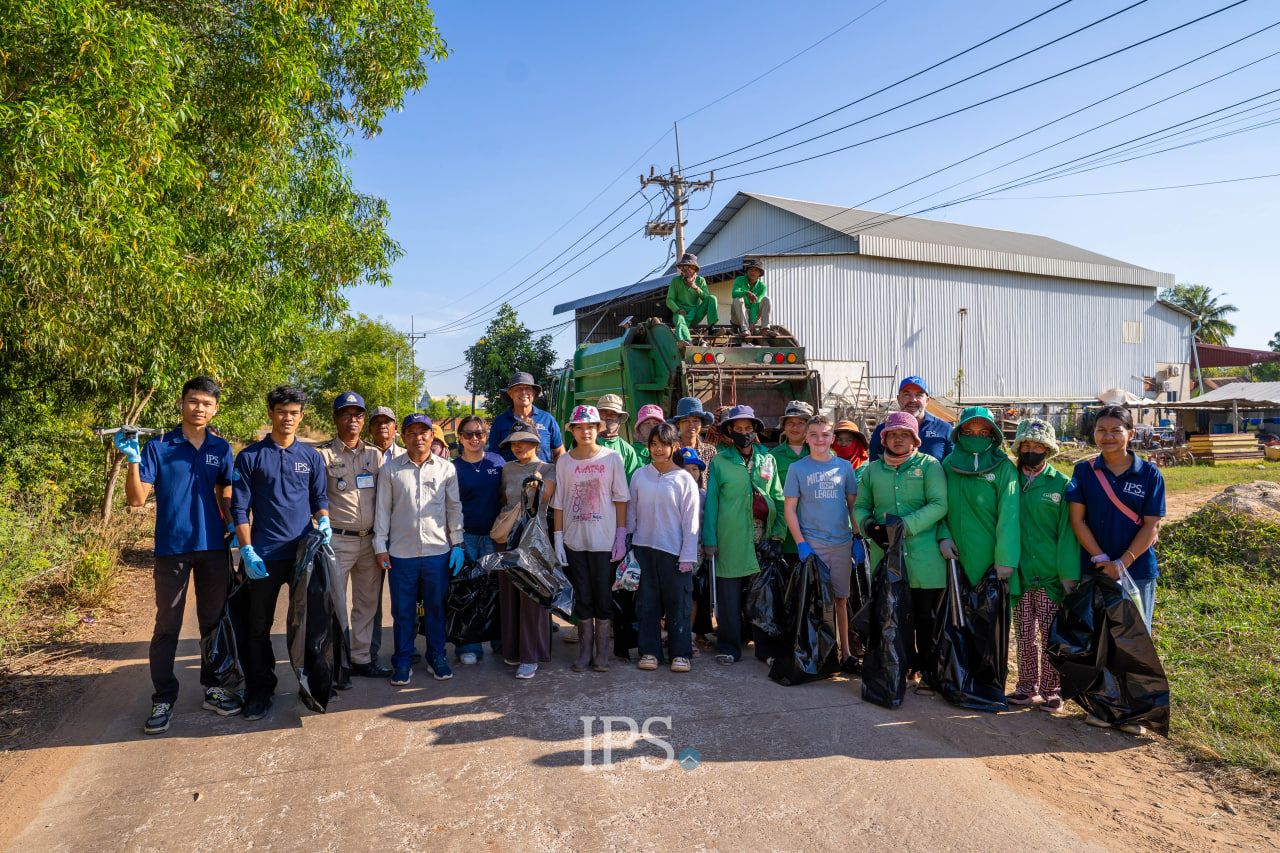
On the day, commune staff, local residents, the IPS Siem Reap team, and GAEA staff worked side by side to clear waste from roadsides, open land, and shared spaces. Several truckloads of rubbish were collected, including waste that had previously been burned or left in public areas.
Community participation was high, and the atmosphere was one of collaboration and optimism. Many residents expressed appreciation for the weekly collection service and shared that they already feel hopeful about cleaner air and safer common spaces for children and families. This clean-up drive marked the first visible step in turning the Green Commune plan into something real on the ground.
What this means for the community
With weekly collection now in place, households no longer need to burn or dump their waste. Streets, empty land, and shared areas are already starting to look cleaner, and the air in the neighbourhoods is noticeably clearer without daily burning.
For Sra Nghae and Sambour, this is a practical change that improves daily life, not just a one-off activity .
